
Ultra Music Festival Miami 2015: Stepping Into the World of Electronic Dance Music
By March 2015, Julianspromos had spent years inside the world of Soca, Carnival and Caribbean entertainment. From New York and Miami Carnival to concerts, fetes and artist interviews, Julian C. Hackett and Sheniele “Vivaa” Dodson had built their media experience around the music and culture they already knew intimately.
Then came Ultra Music Festival.
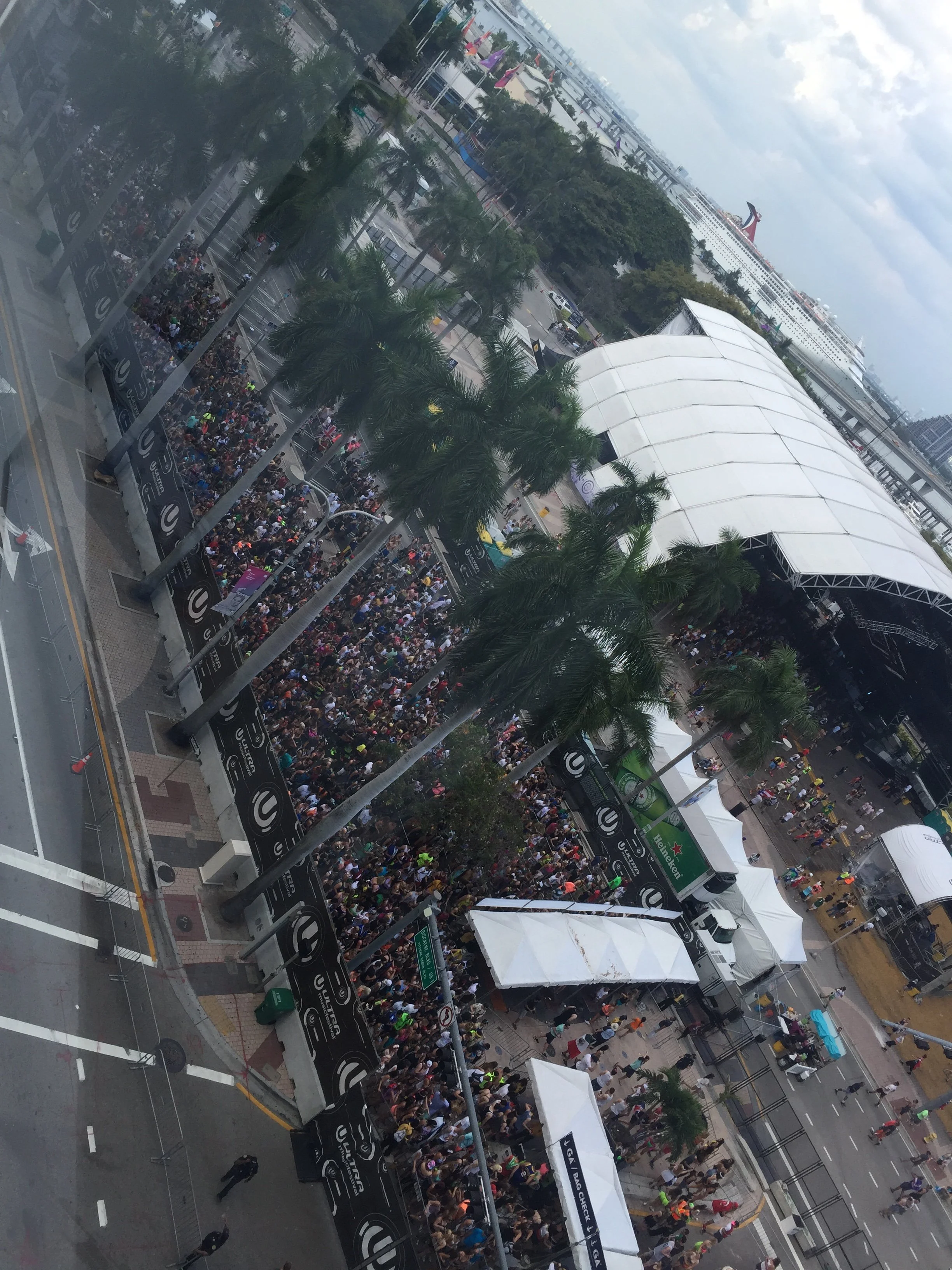
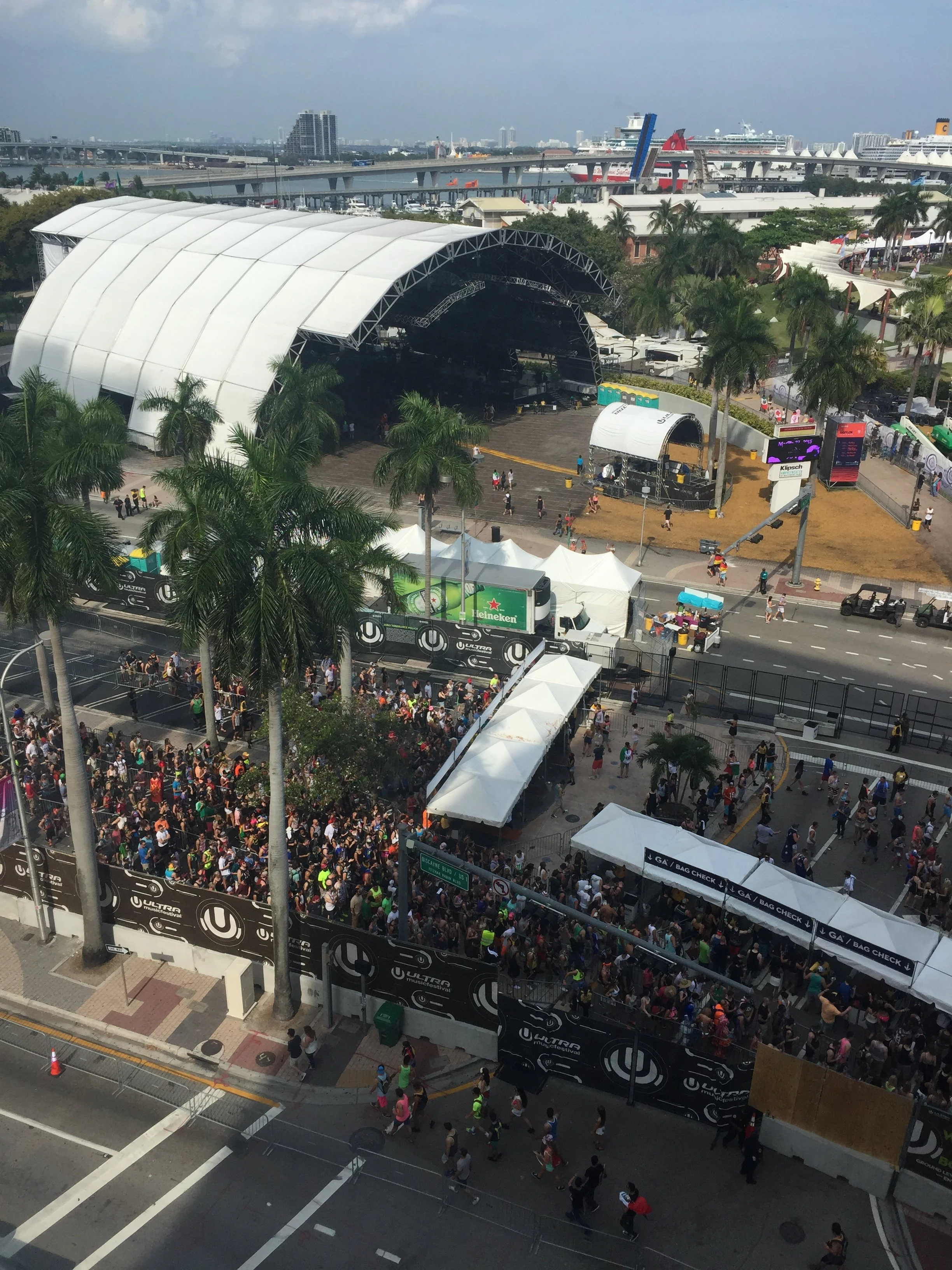
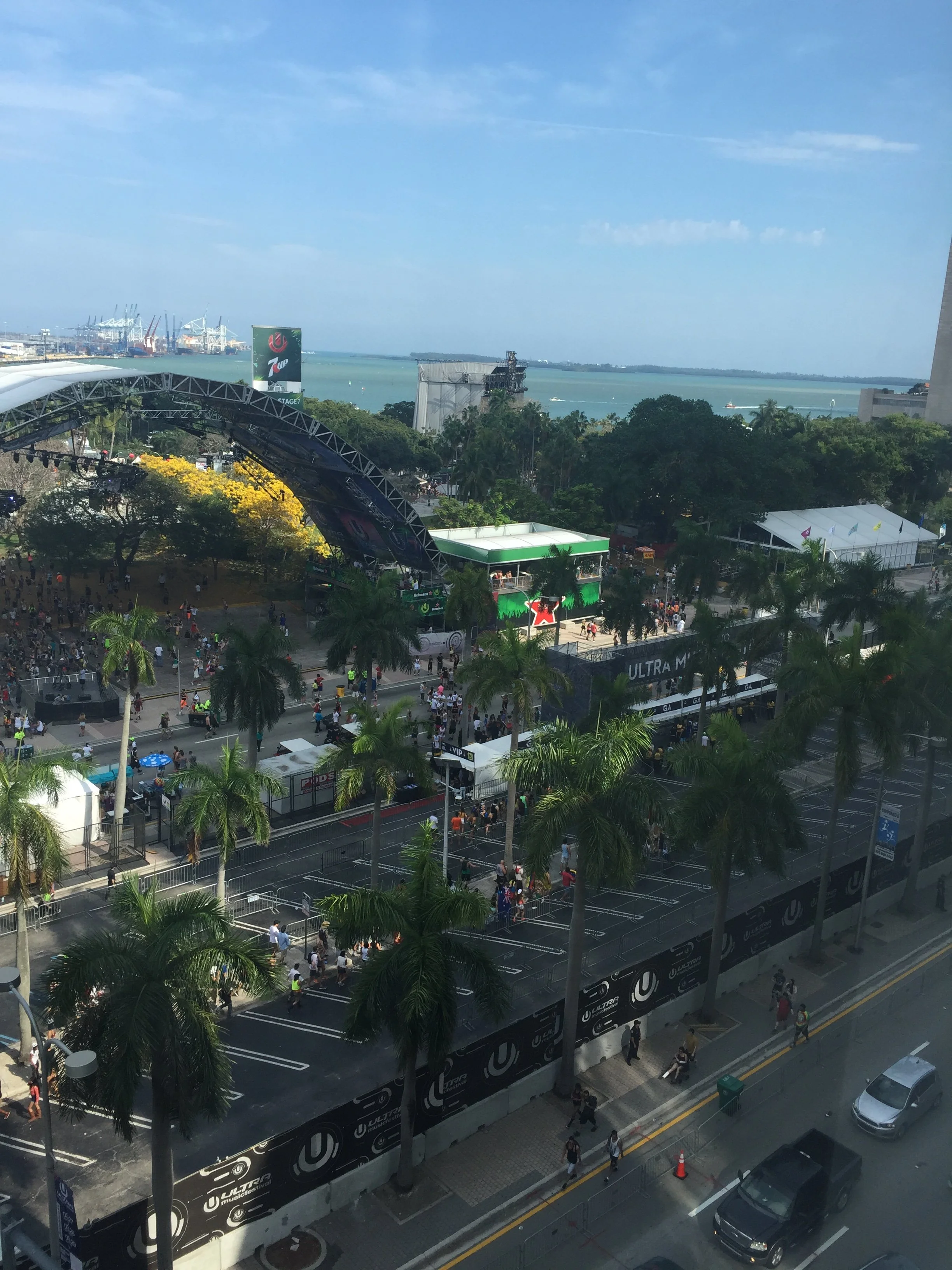
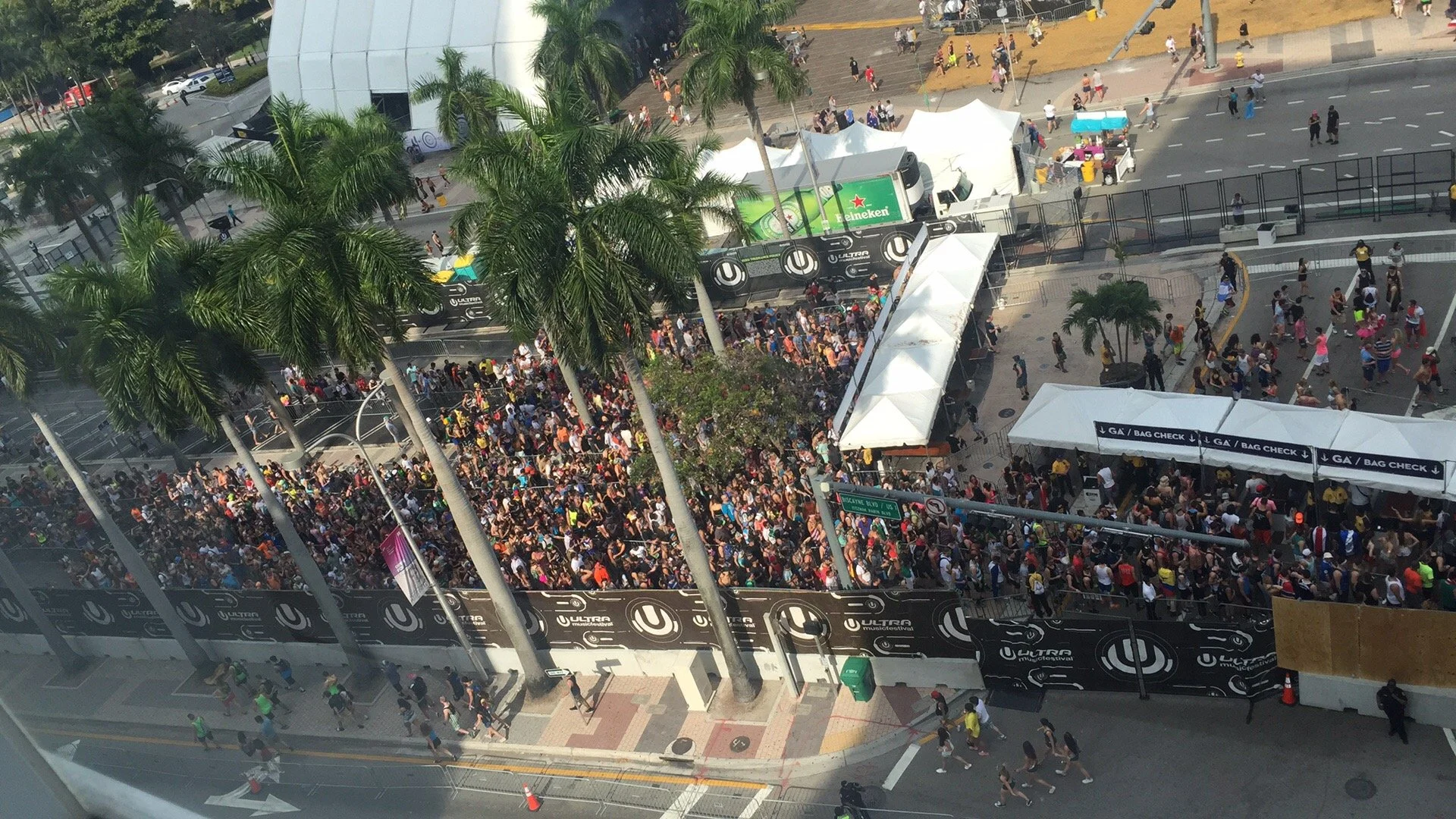
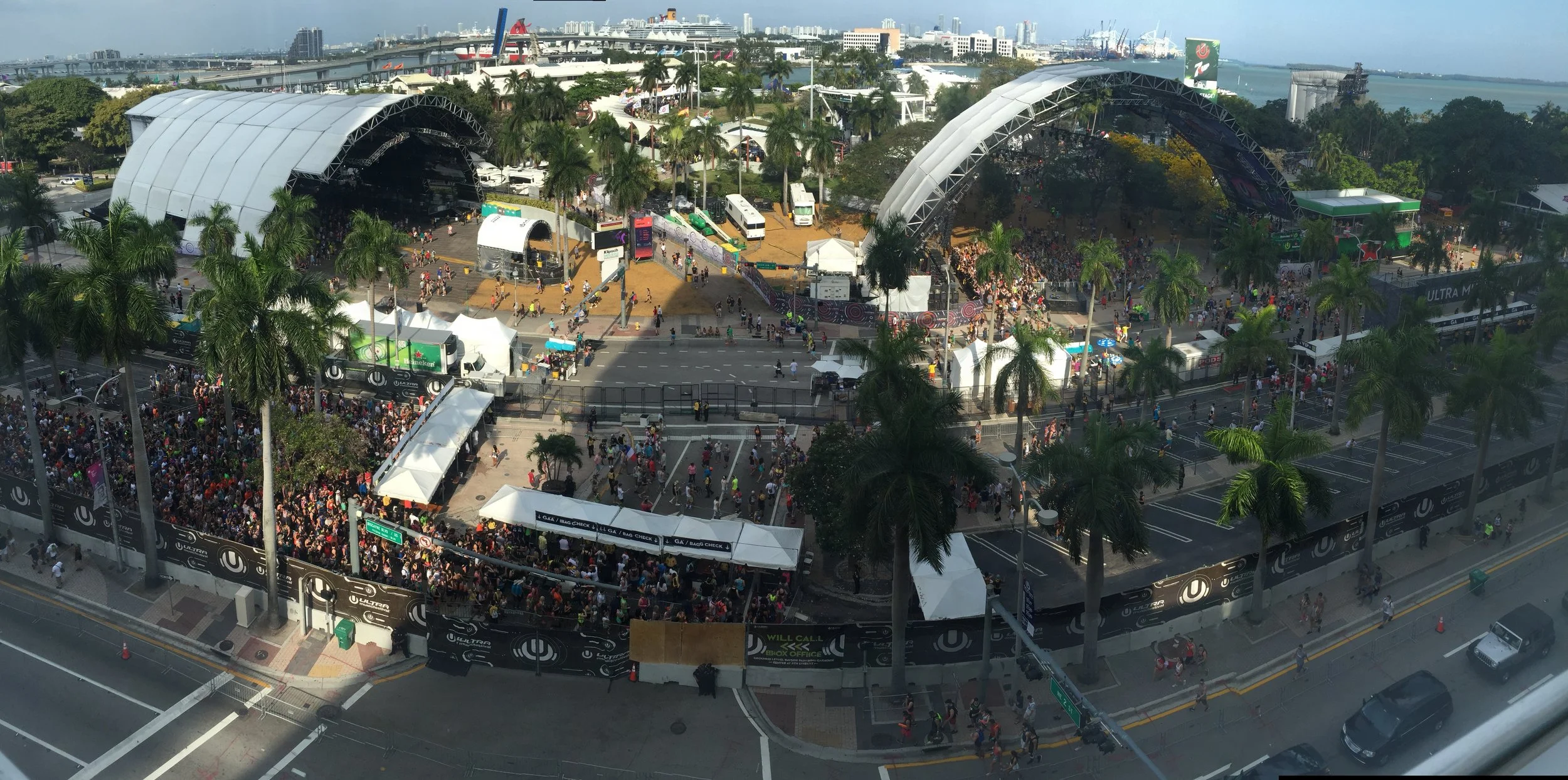
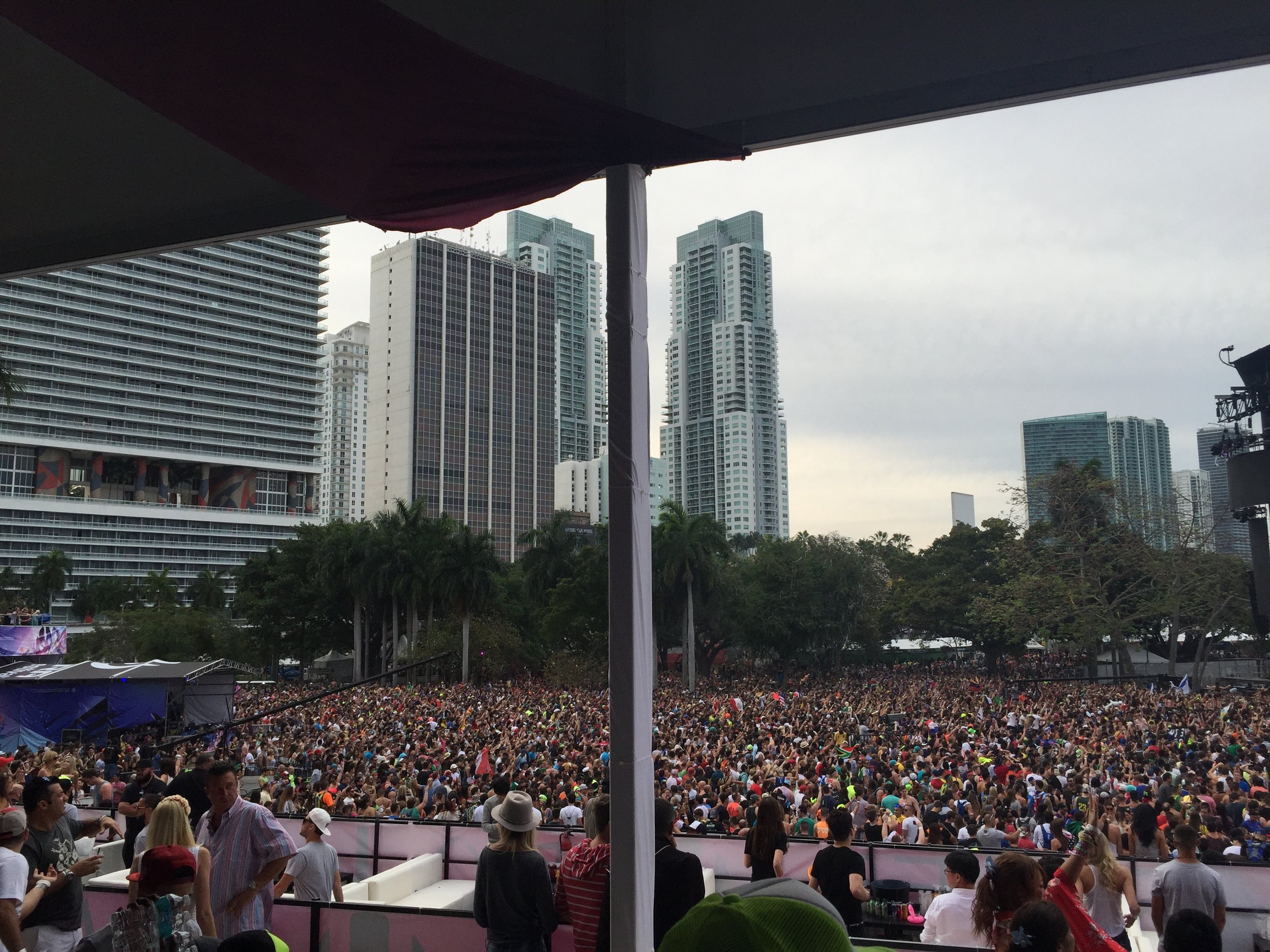
From March 27–29, 2015, Ultra transformed Bayfront Park in Downtown Miami into one of the largest electronic music gatherings in the world. The seventeenth edition drew more than 165,000 attendees across the sold-out three-day festival, according to Ultra.
For Julian and Vivaa, it was a first in several ways: their first Ultra Music Festival, first major electronic dance music festival and one of their first deliberate steps outside the Caribbean event circuit they had spent years documenting.
It would not be the last.
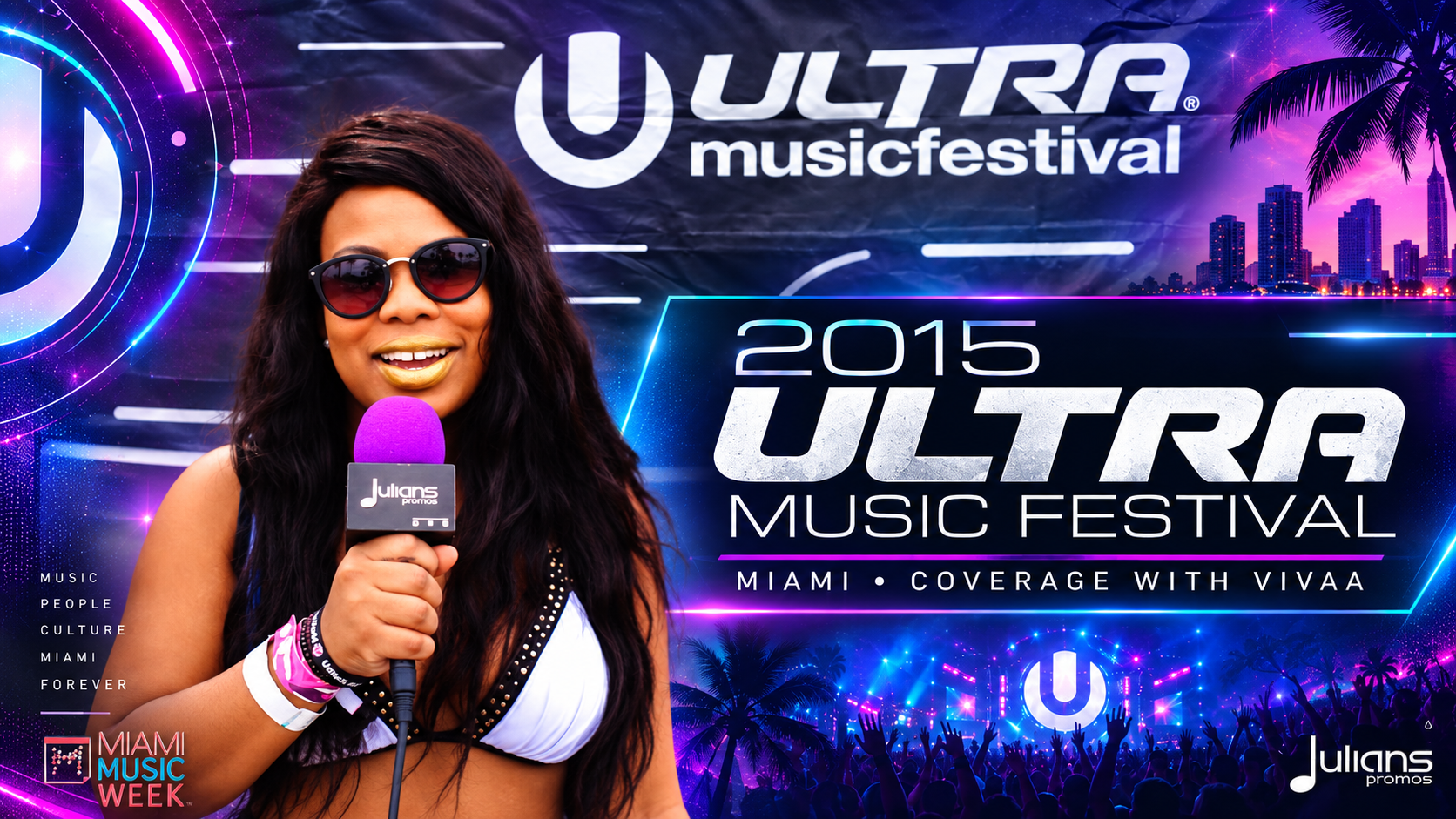
Miami Music Week Through a Different Lens
The trip took place during Miami Music Week, when Miami becomes a meeting point for DJs, producers, fans, labels and electronic music culture from around the world.
Julianspromos did not approach the weekend pretending to suddenly be an EDM authority.
That was part of what made the coverage interesting.
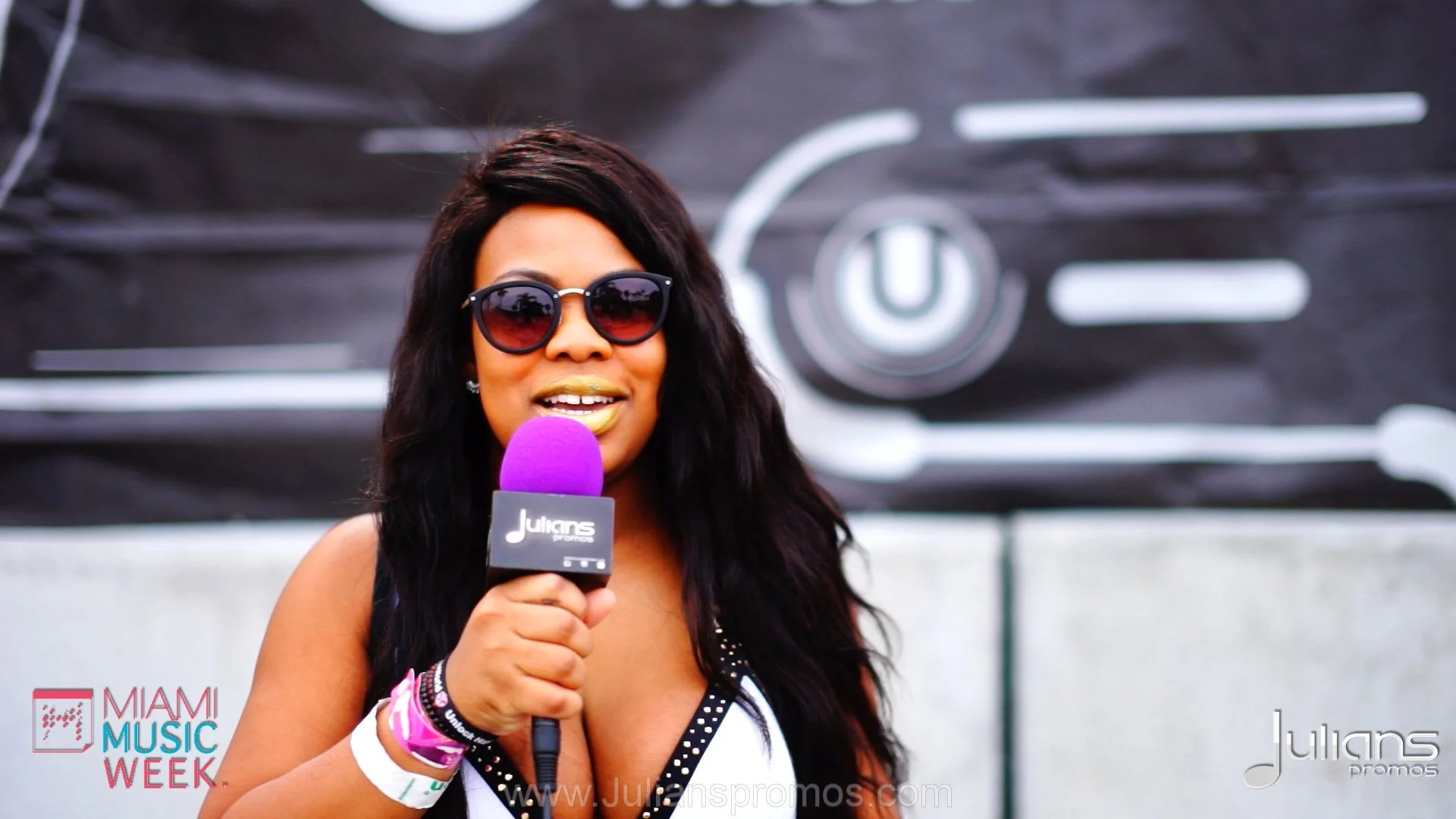
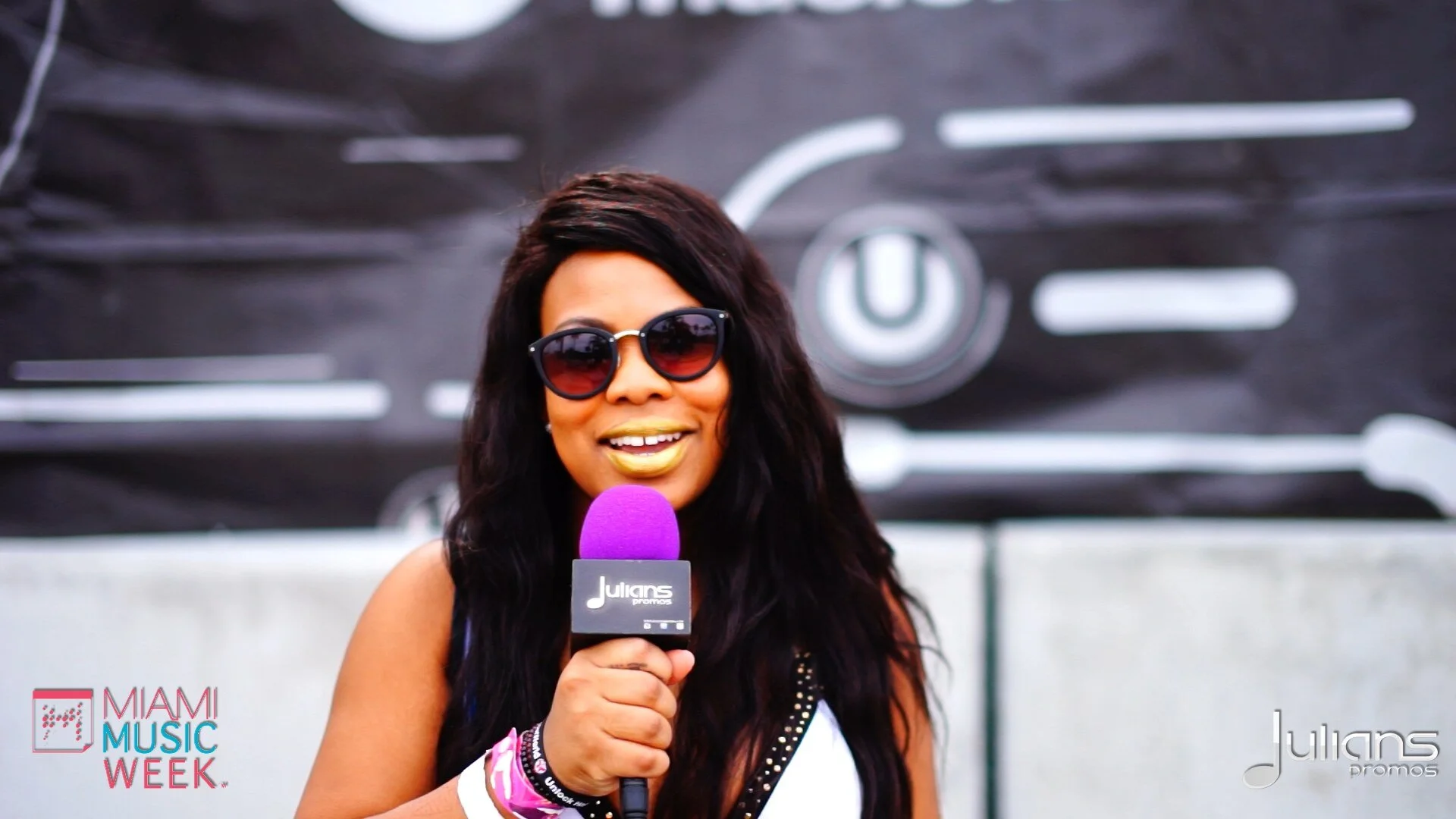
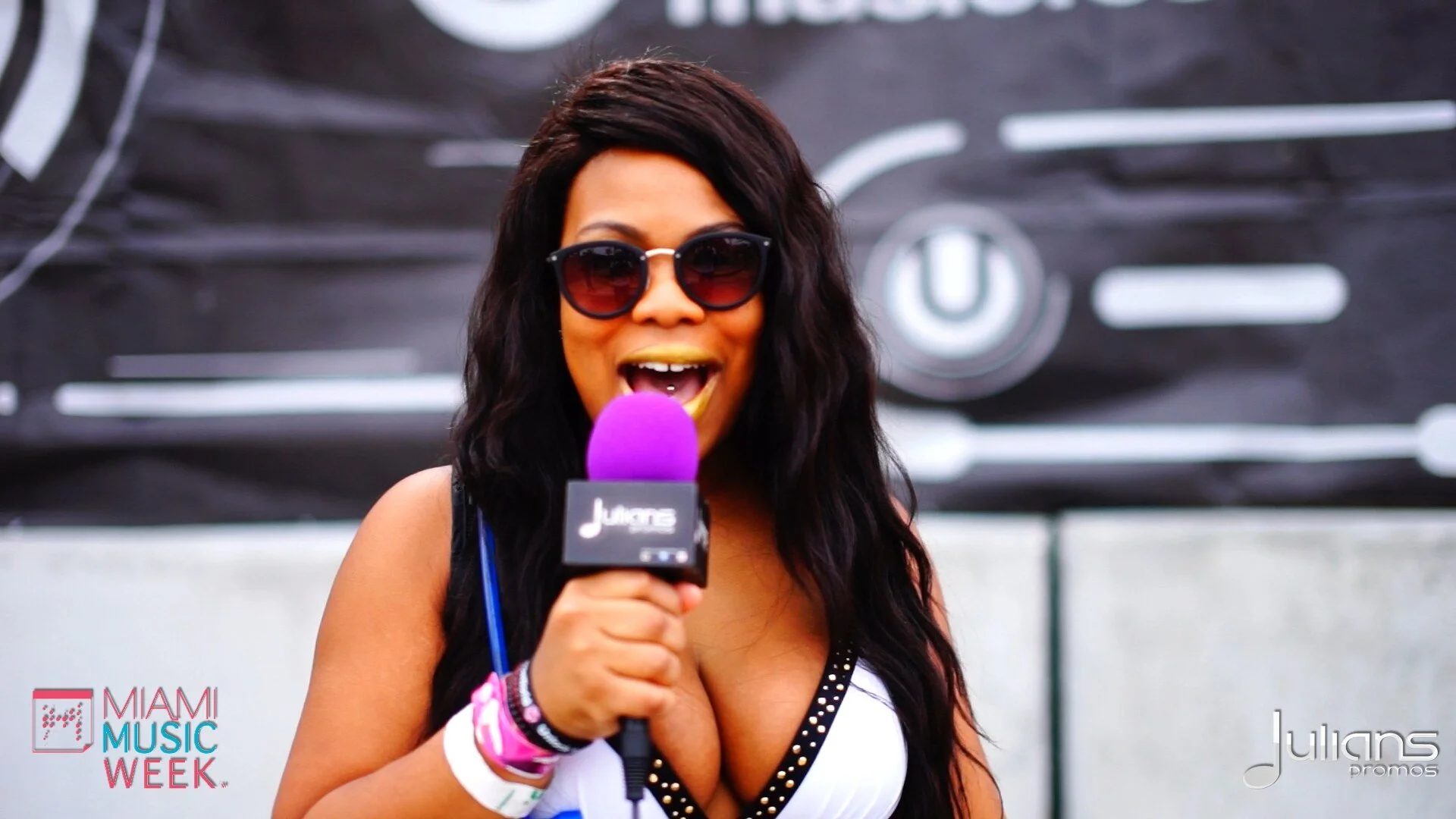
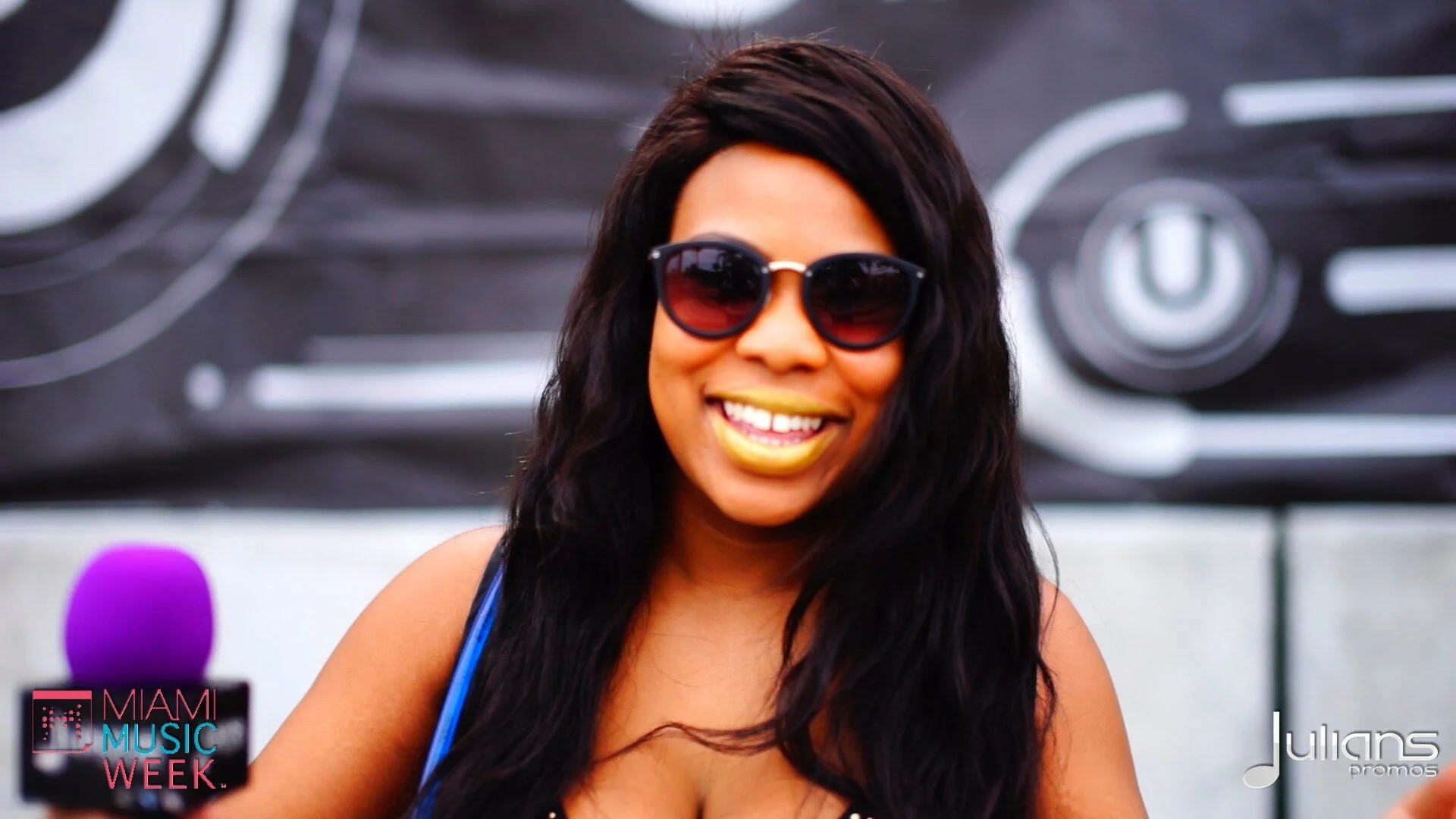
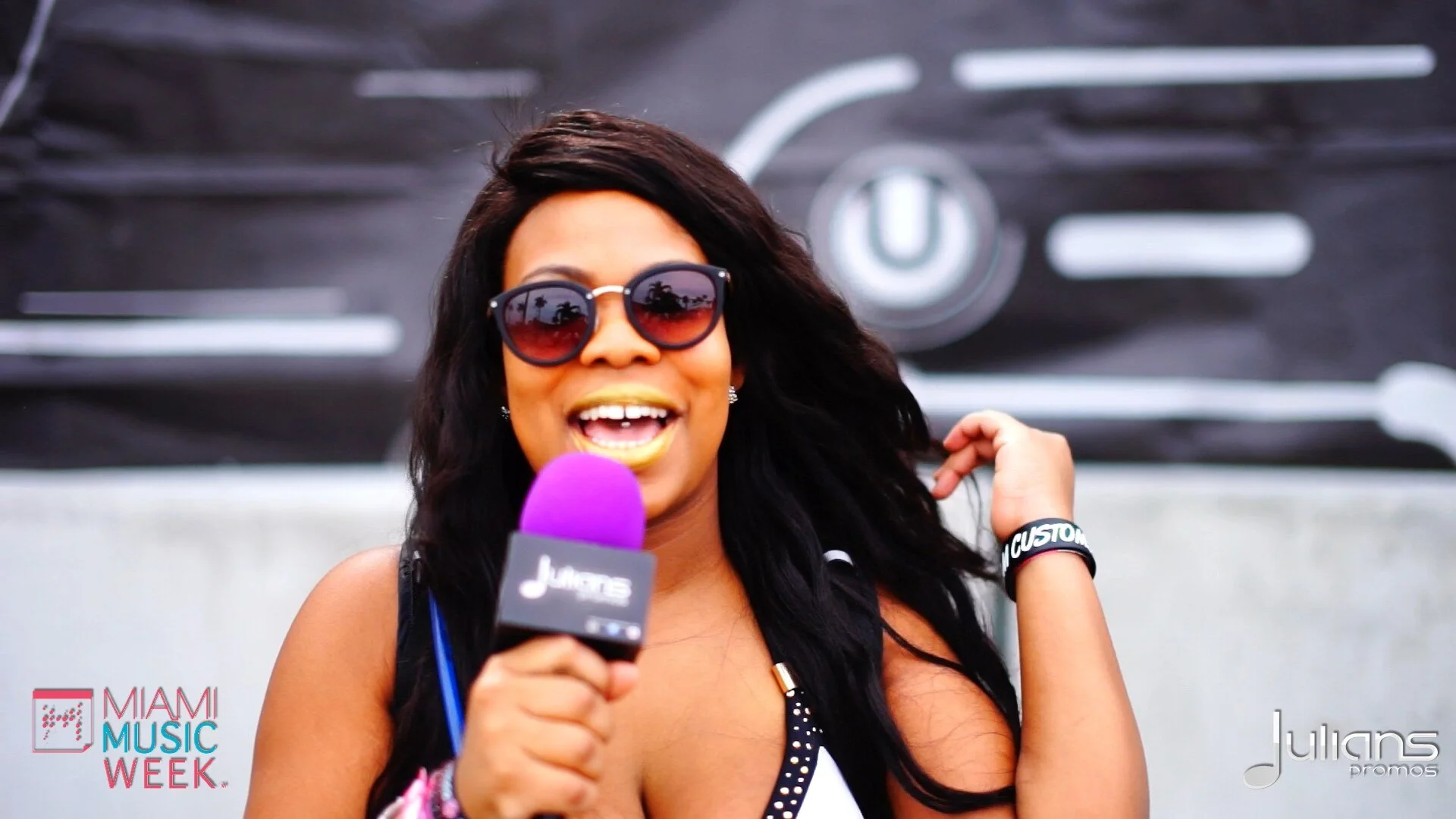
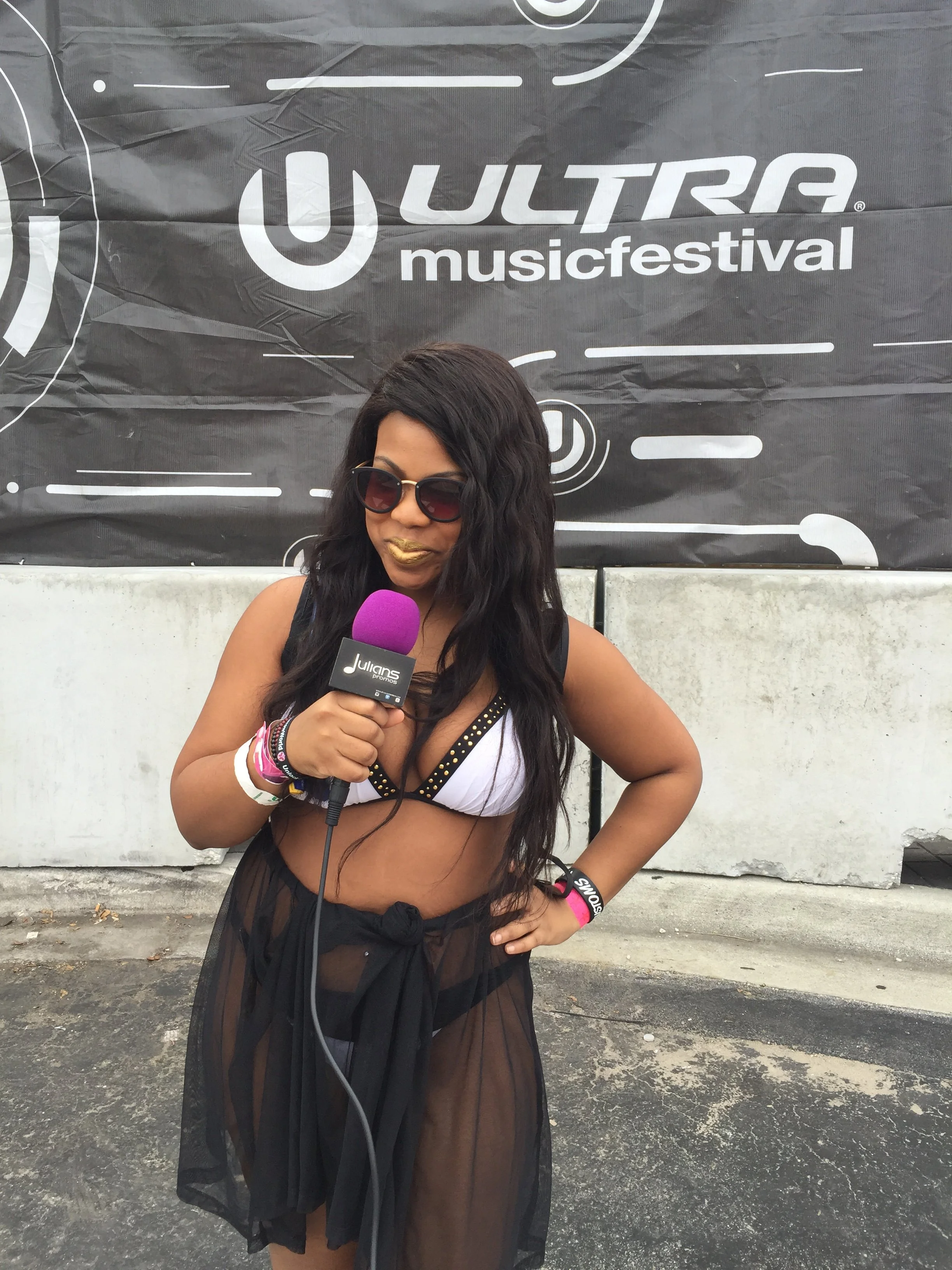
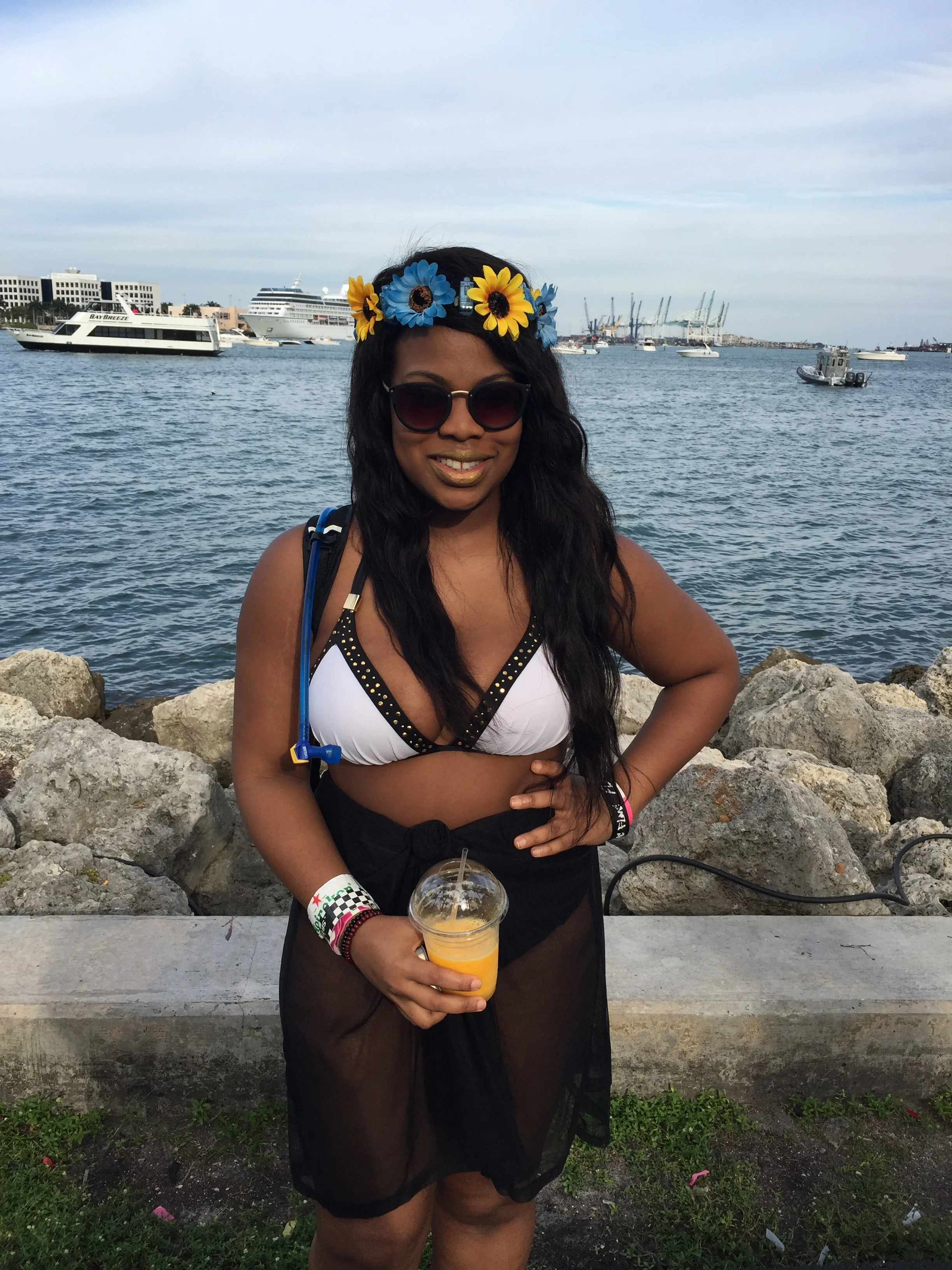
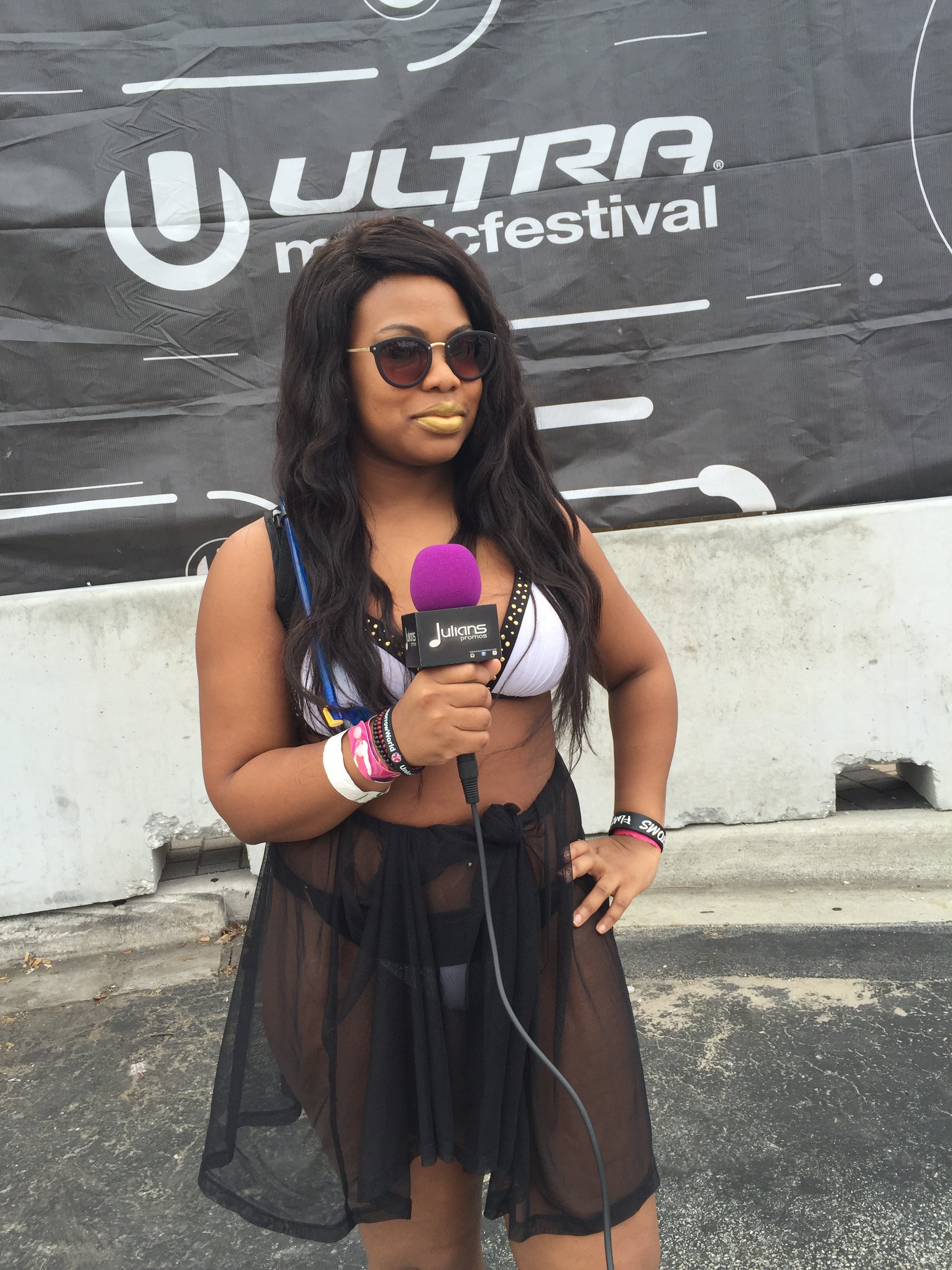
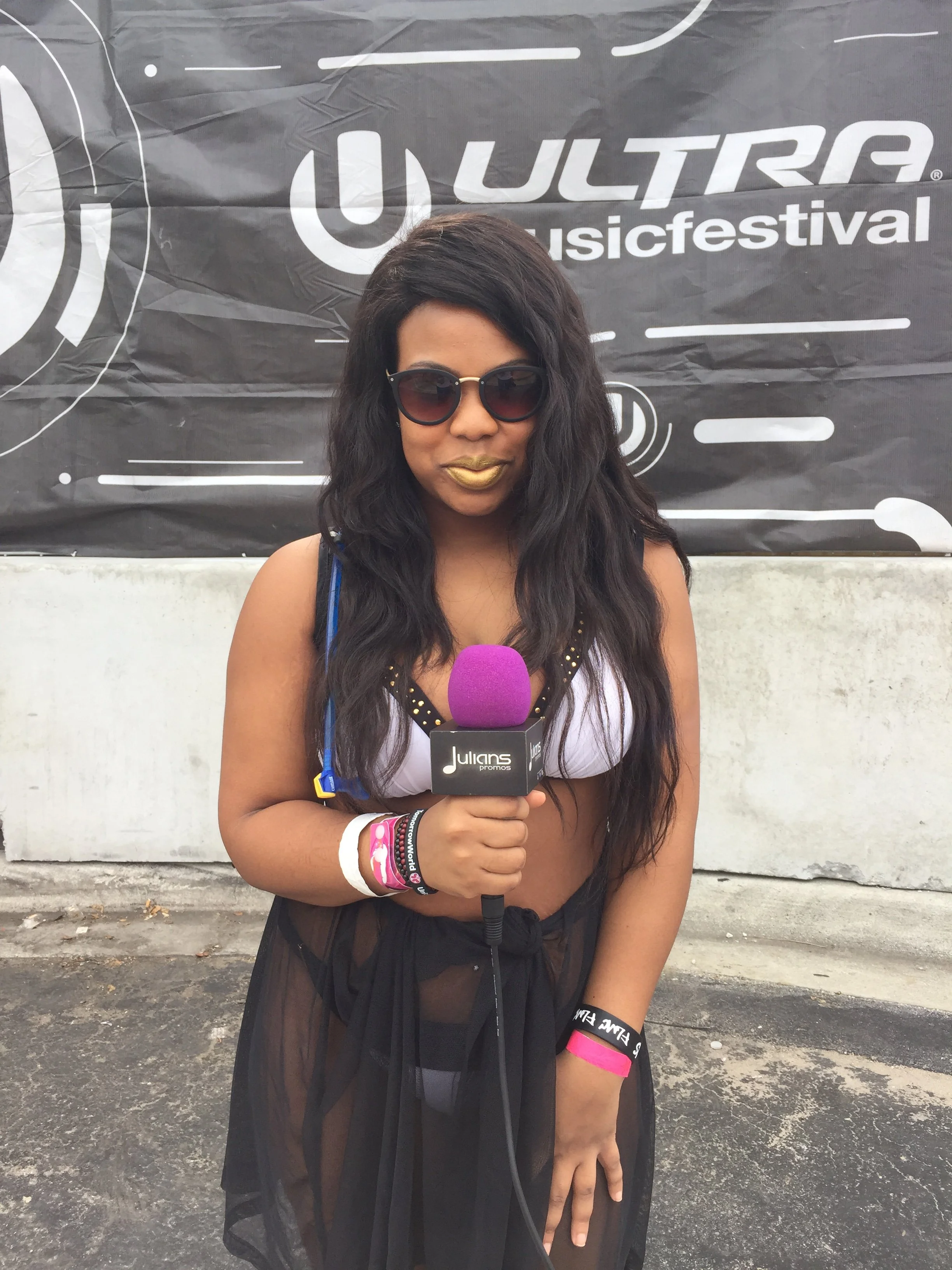
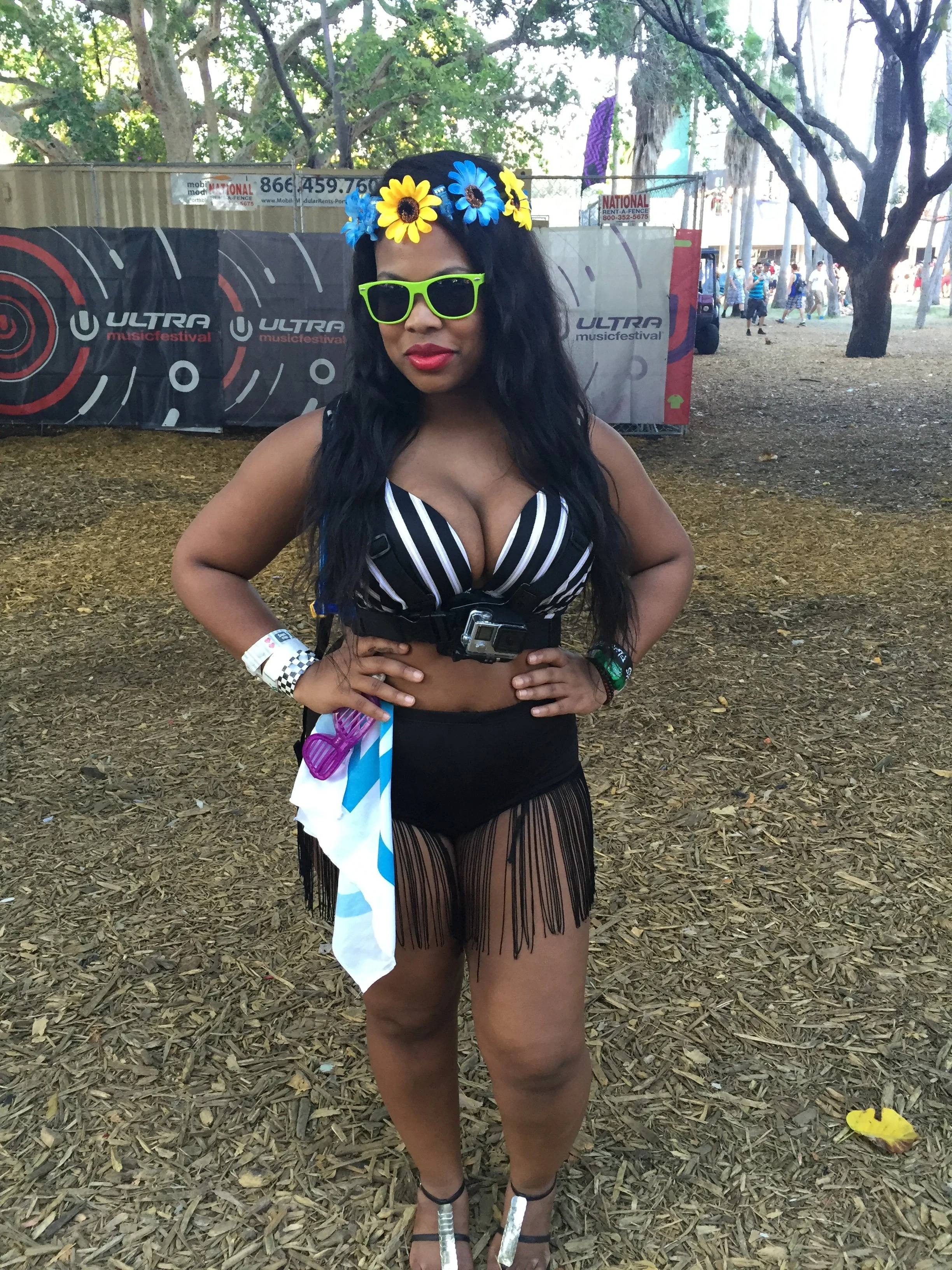
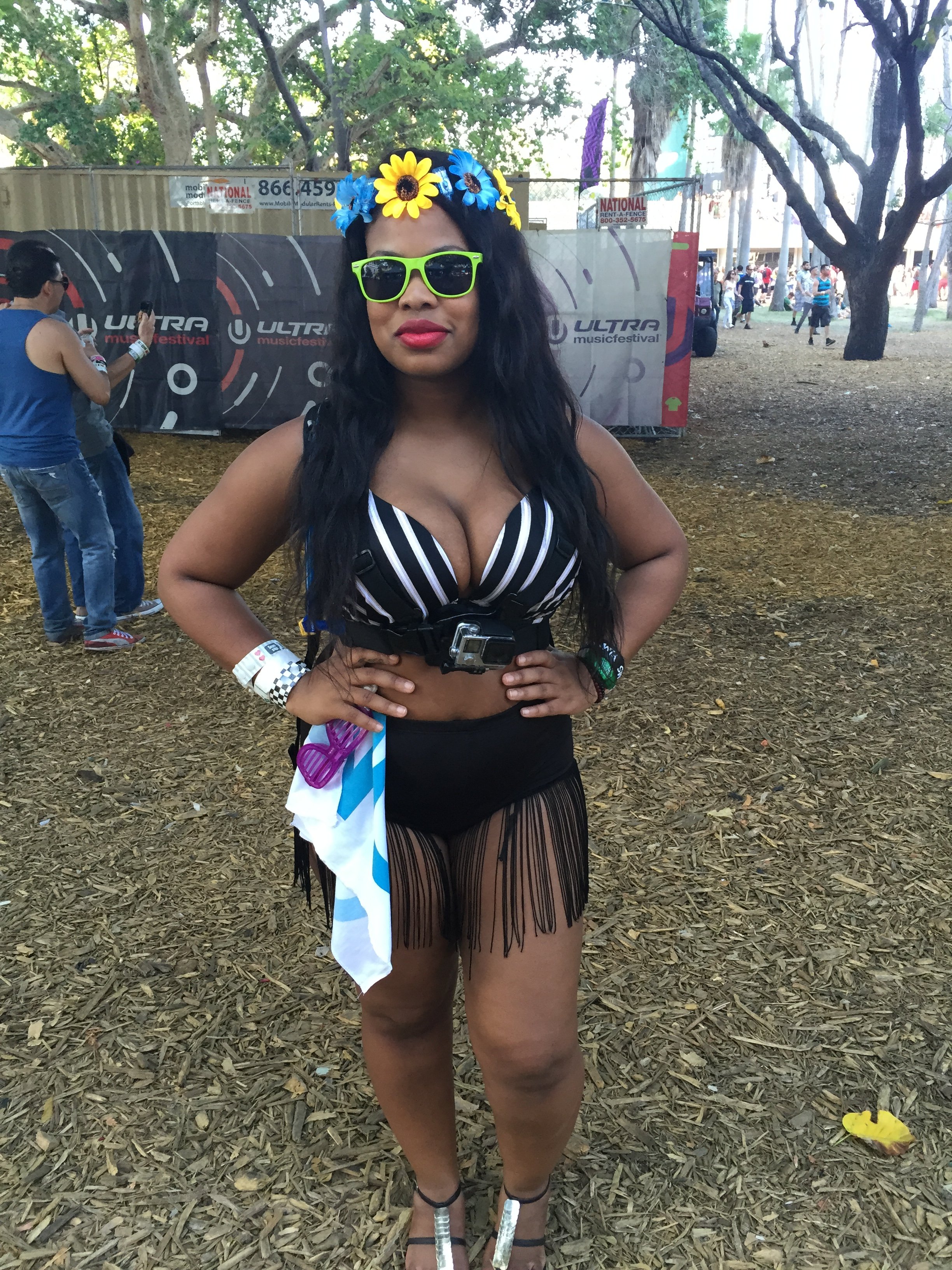
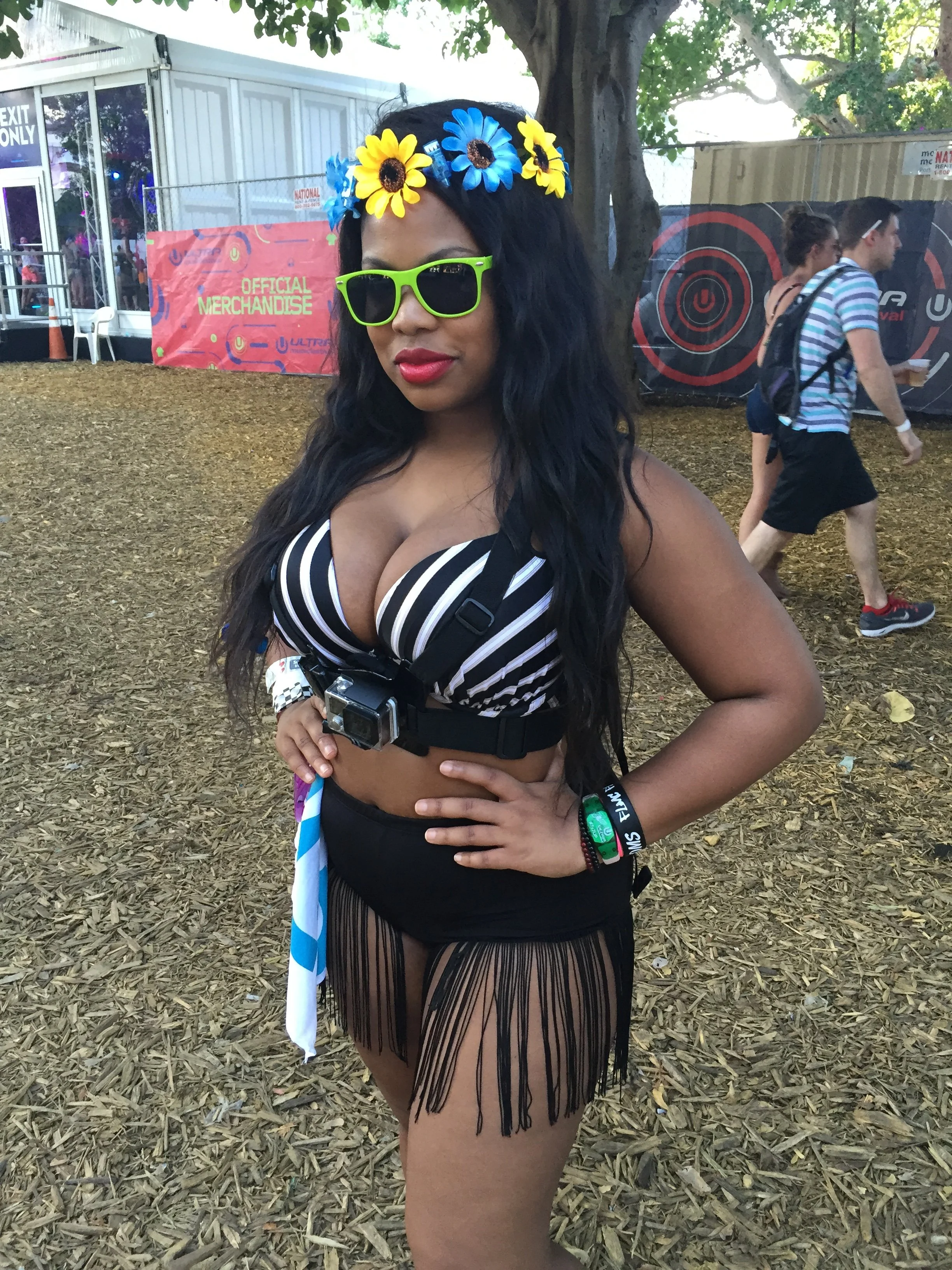
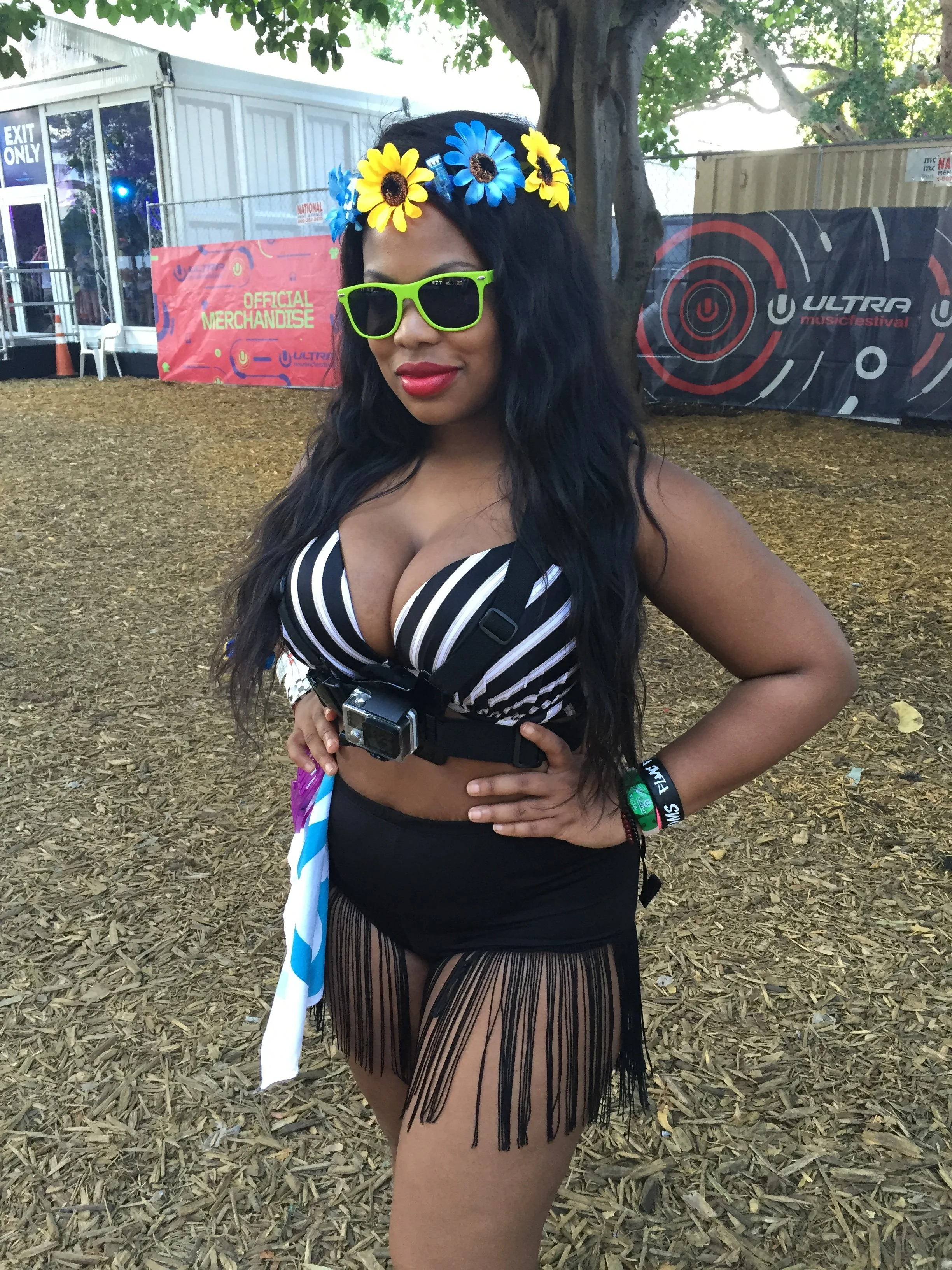
Vivaa took the Julianspromos microphone into the environment as someone discovering it, speaking with attendees and capturing the personalities surrounding the festival both outside the gates and inside the Ultra experience.
The result was less about trying to cover every DJ or every stage and more about documenting what it felt like to enter an entirely different festival culture for the first time.
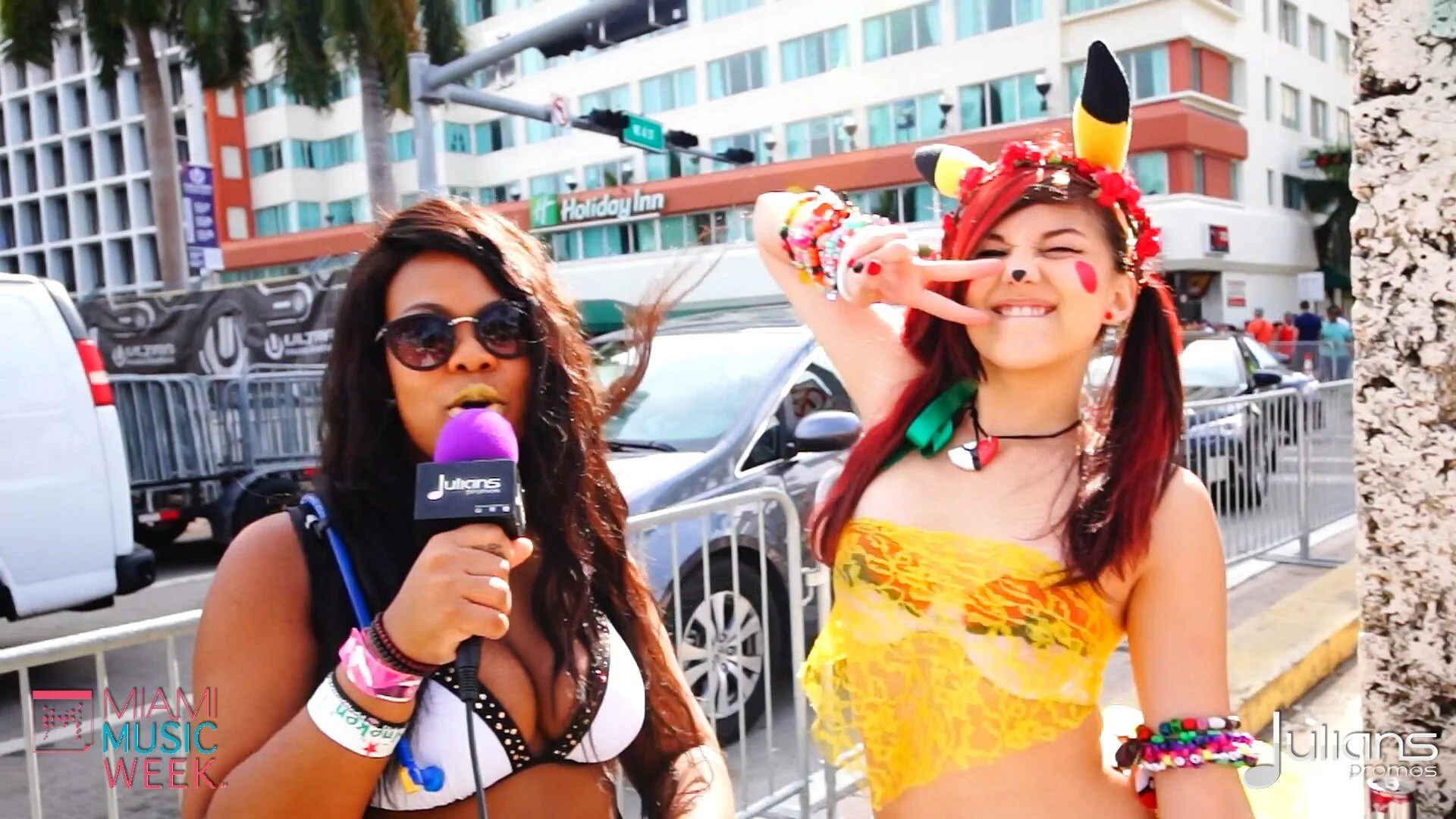
Walking Into Bayfront Park
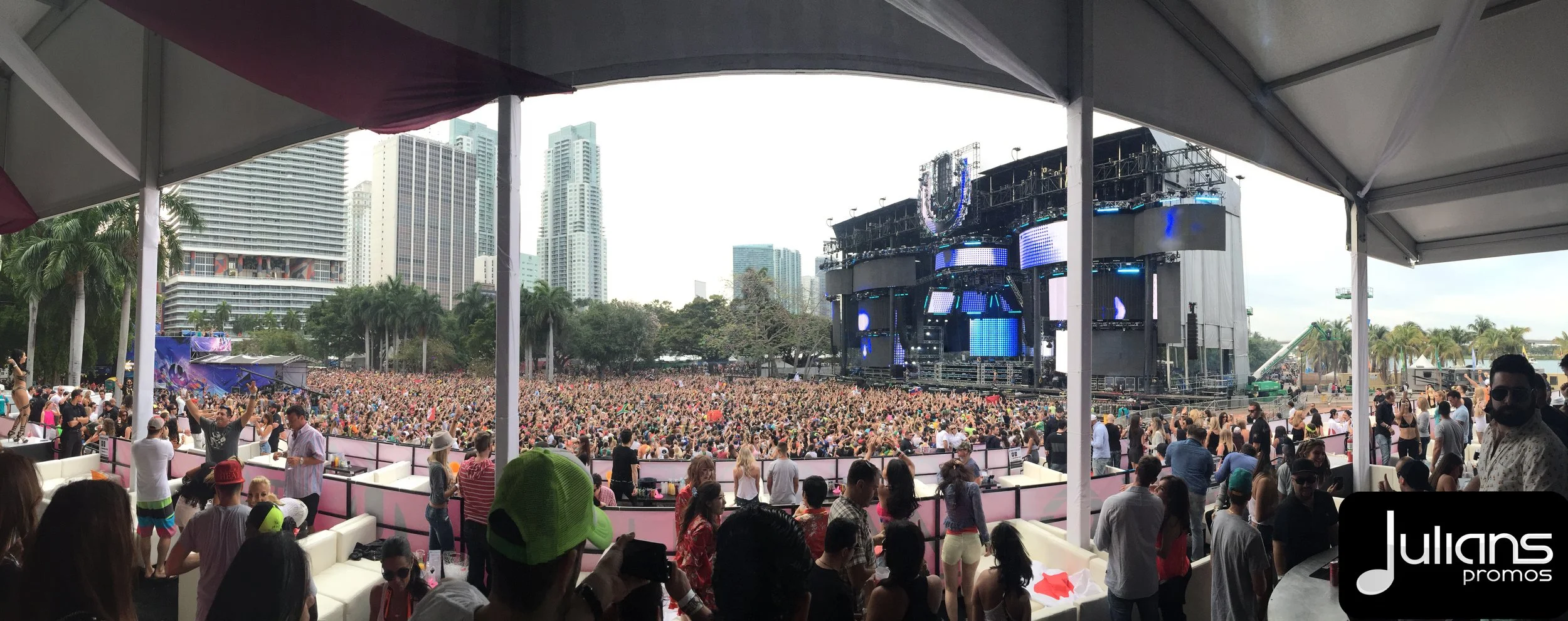
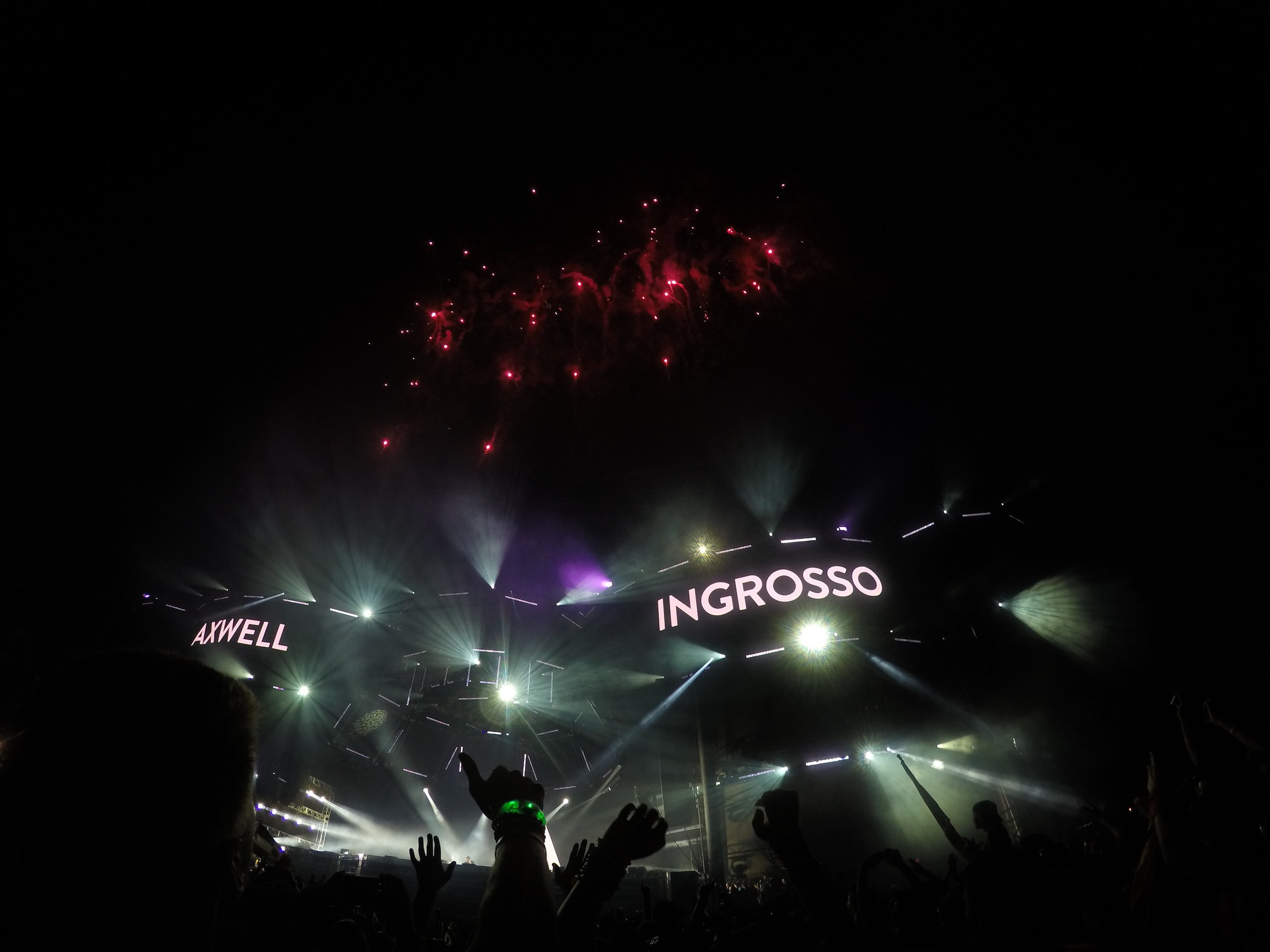
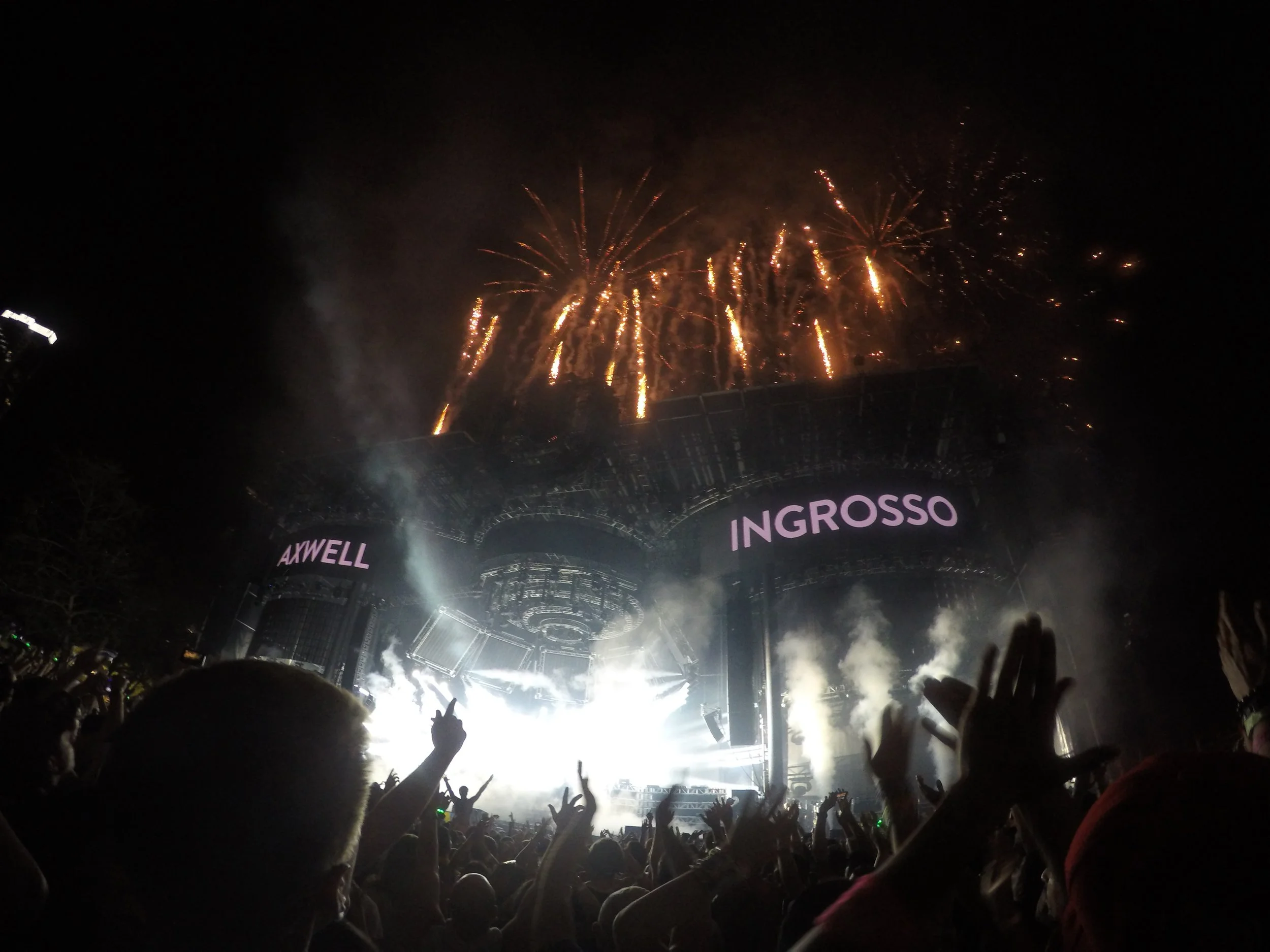
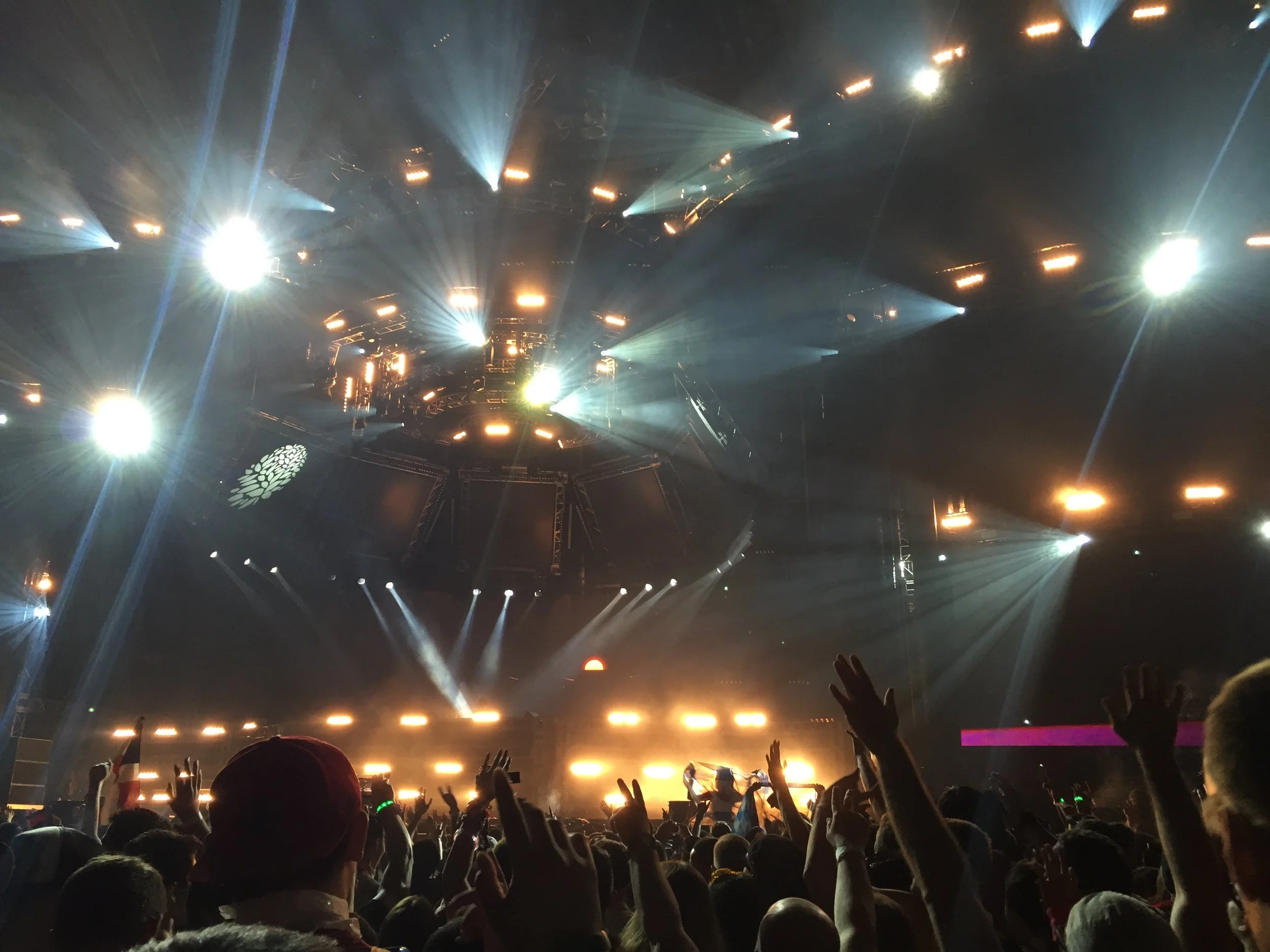
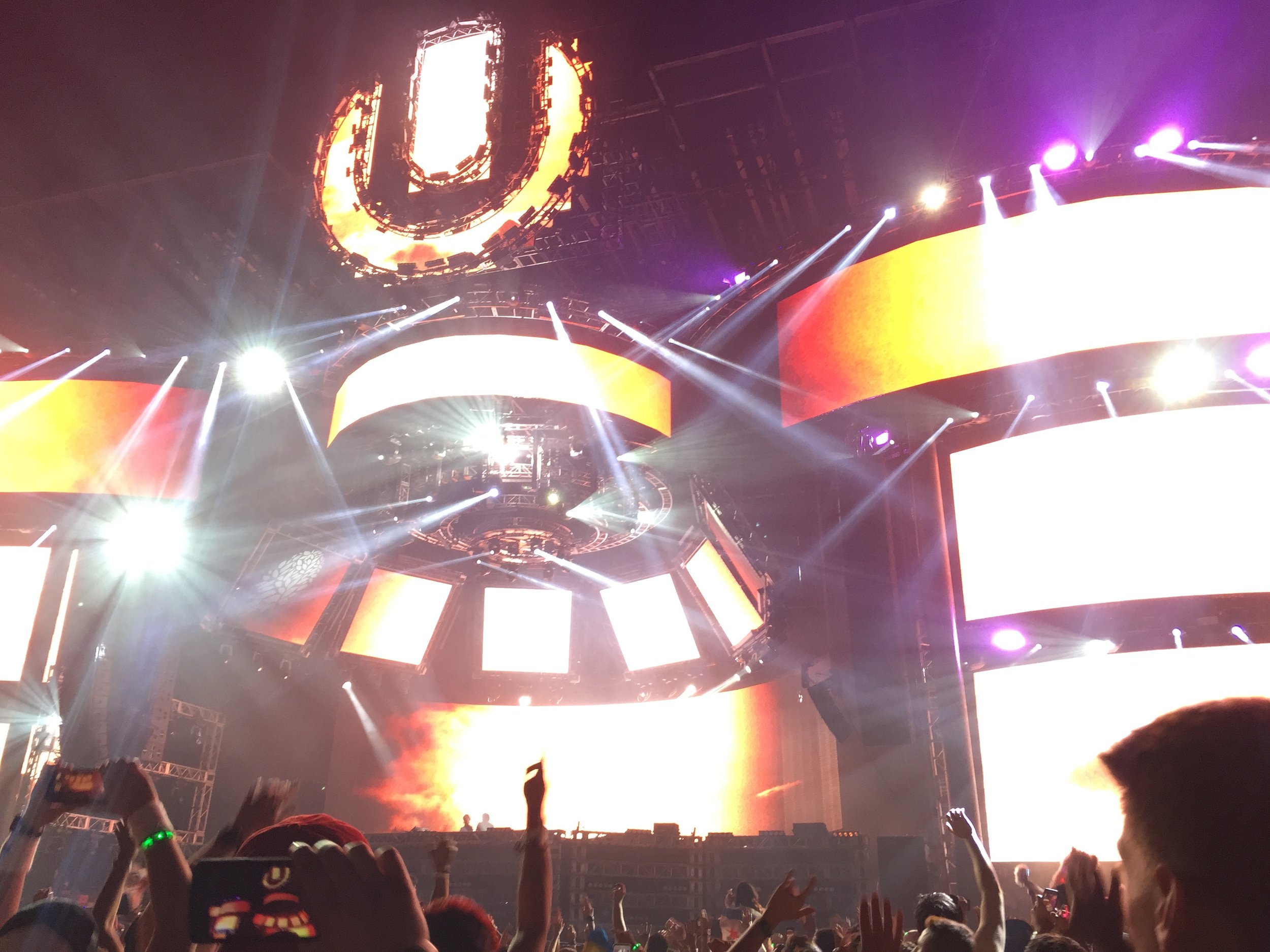
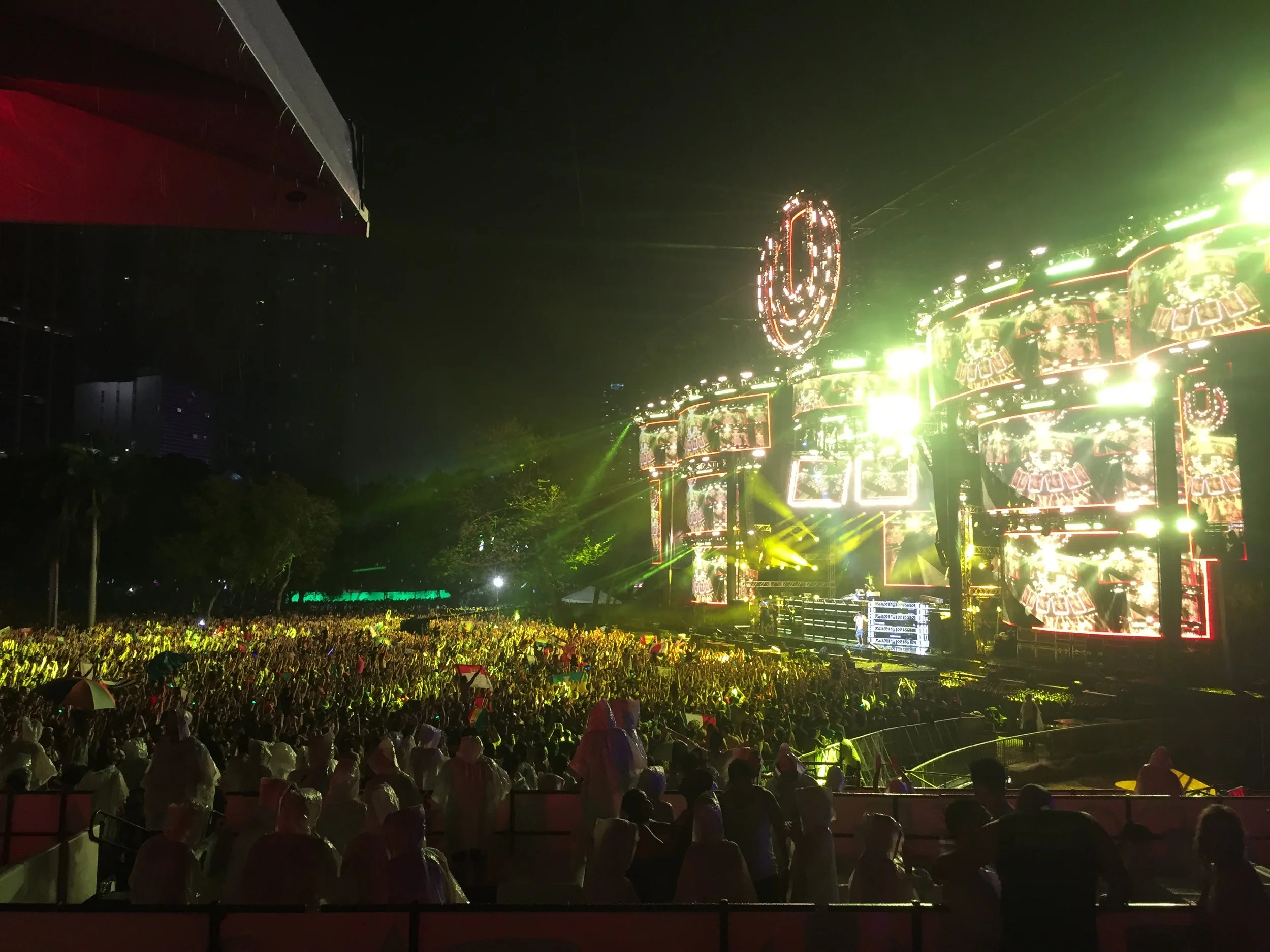
Once inside, the scale changed immediately.
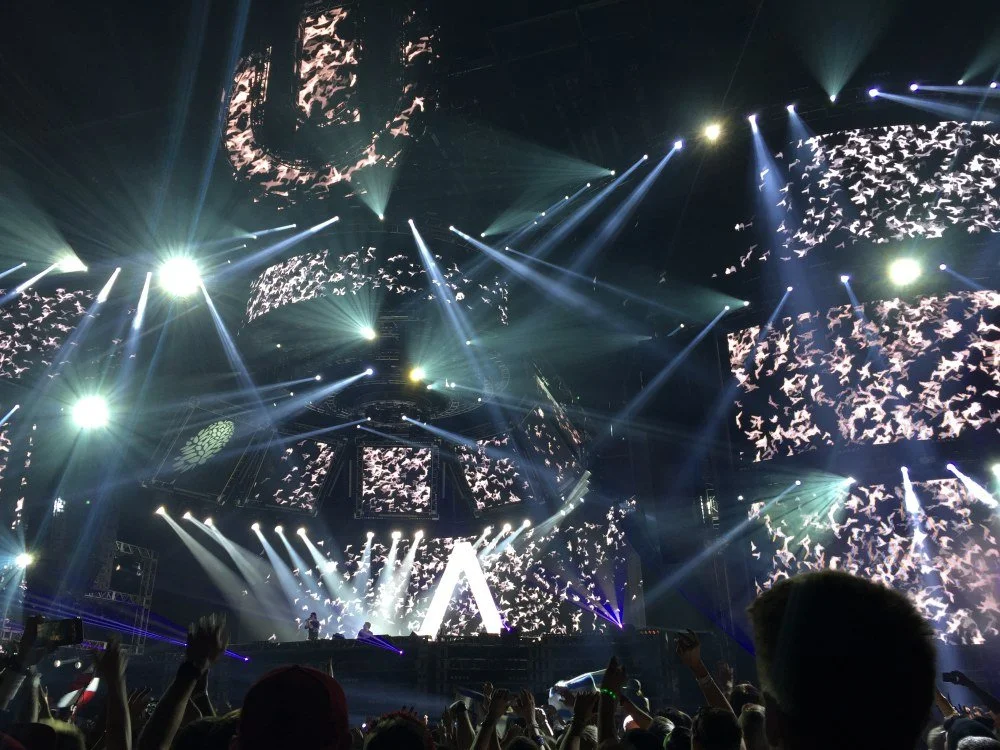
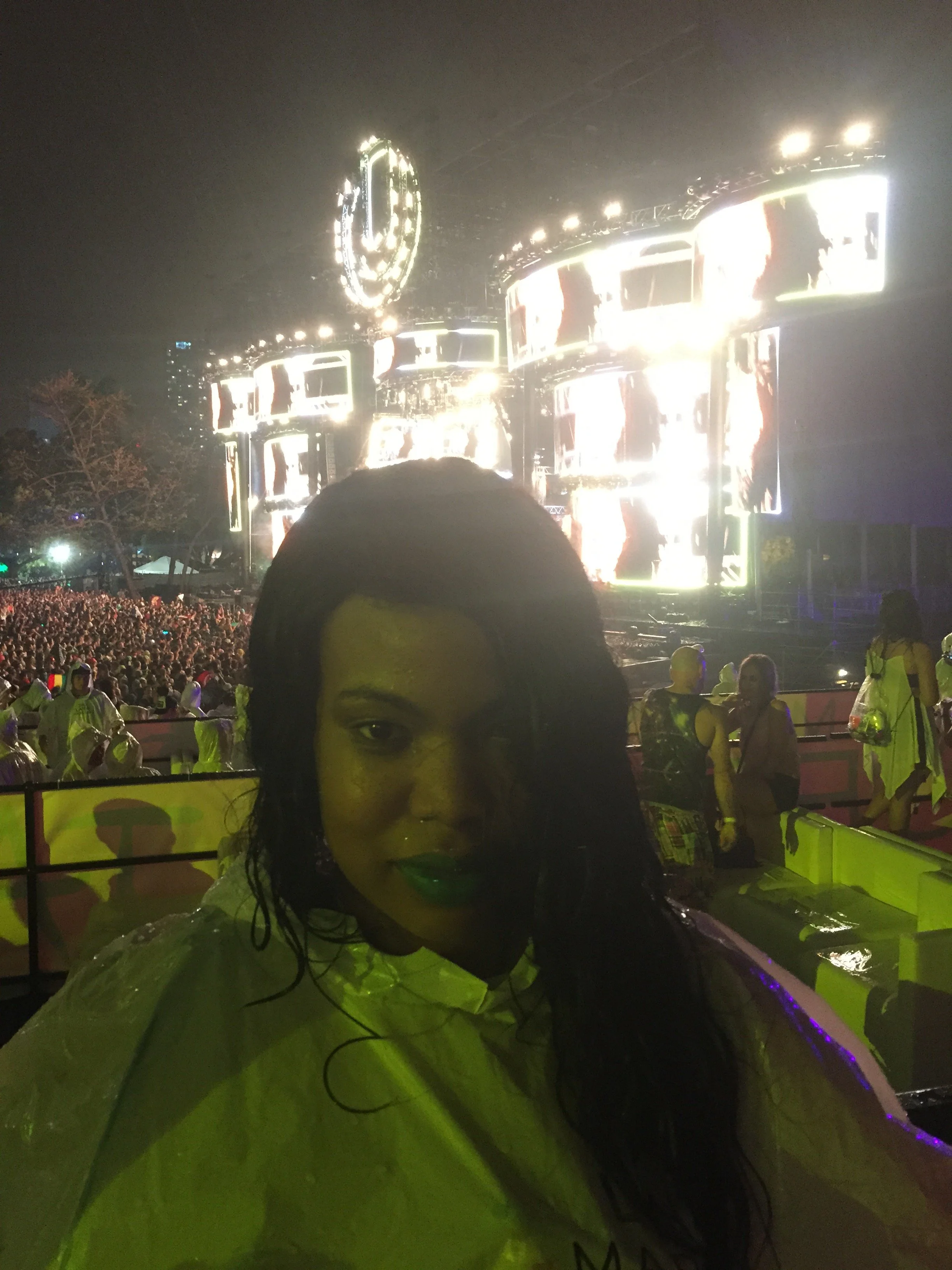
Ultra was operating on a level very different from the Caribbean events Julian and Vivaa had covered up to that point: enormous stages, towering video walls, international DJs, elaborate lighting and production, and tens of thousands of fans packed into Downtown Miami.
The 2015 festival featured artists including Skrillex, Afrojack, Hardwell, Armin van Buuren, David Guetta, Steve Aoki, Axwell Λ Ingrosso, Steve Angello, Jack Ü, Martin Garrix and others across its stages. Ultra's own archive preserves many of those 2015 sets.
For two people accustomed to documenting mas bands, Soca stages, J'Ouvert and Caribbean concerts, the visual language was different.
The feeling was strangely familiar.
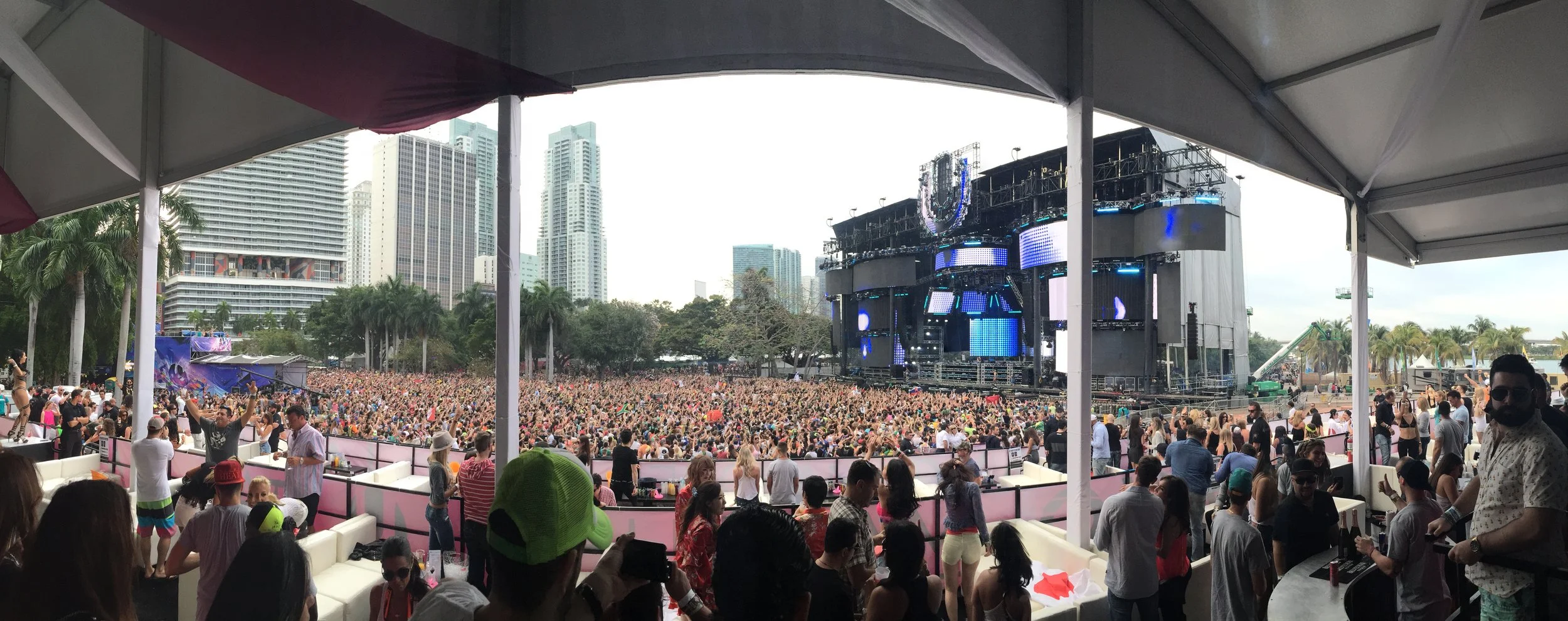
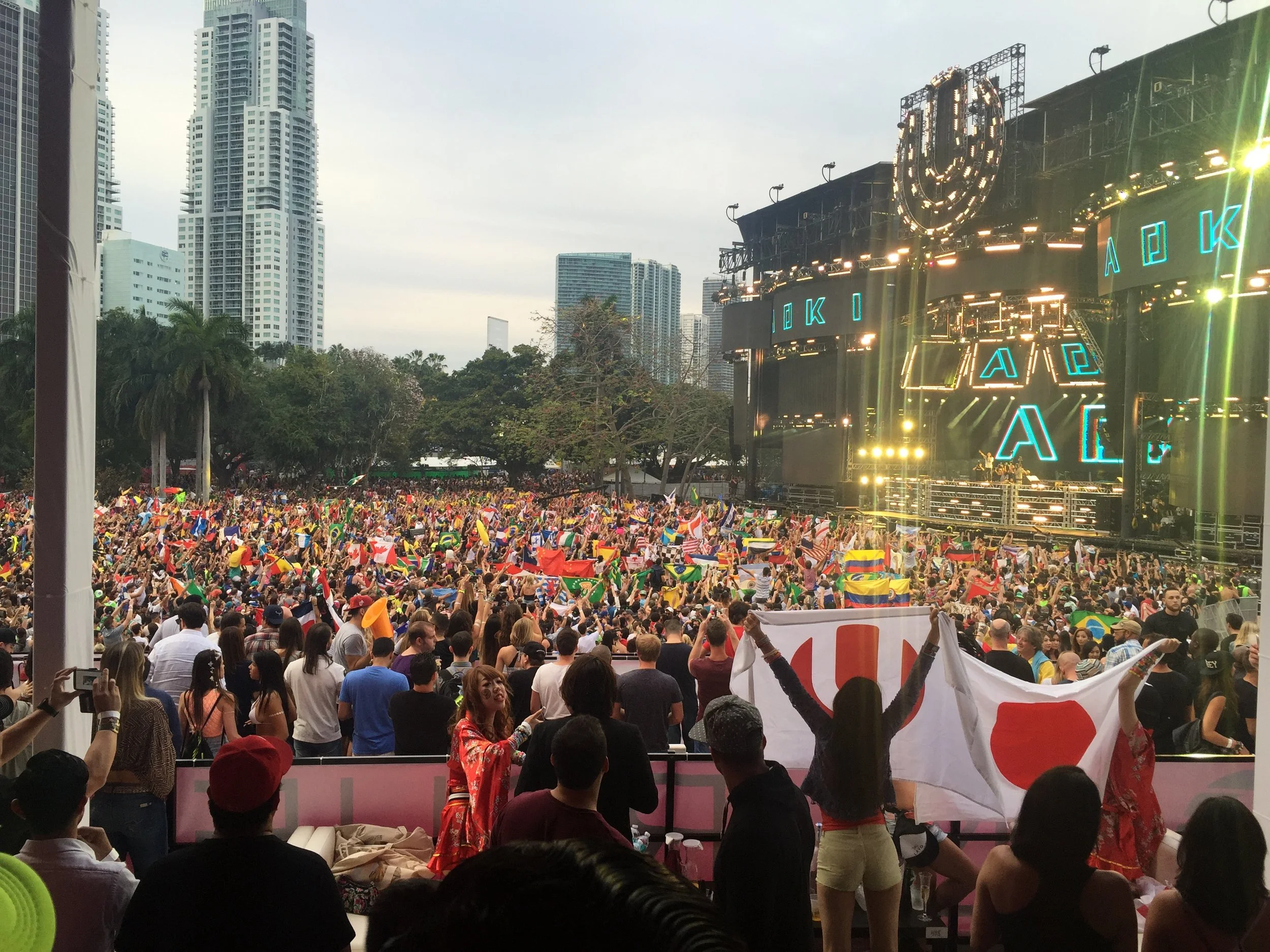
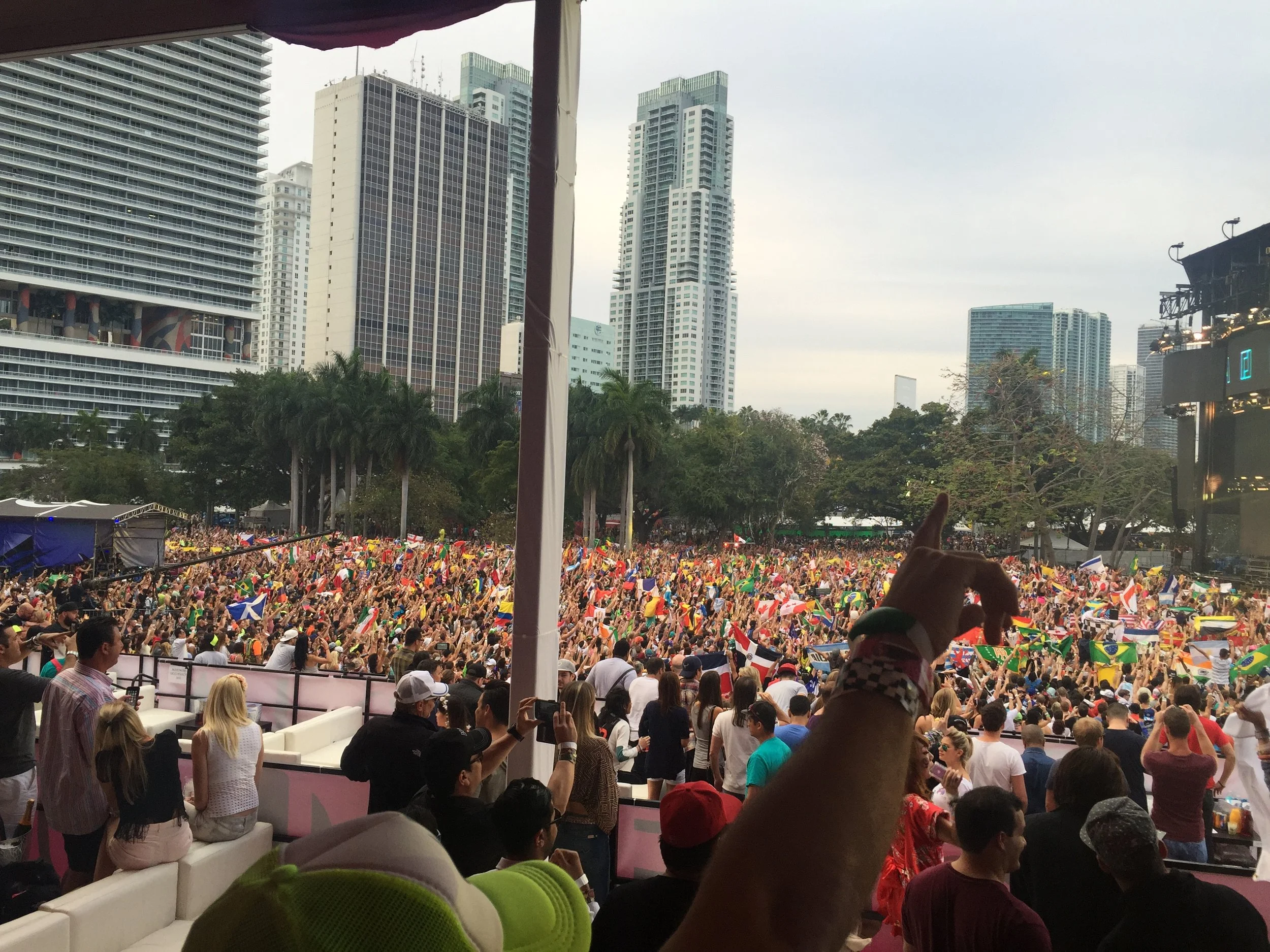
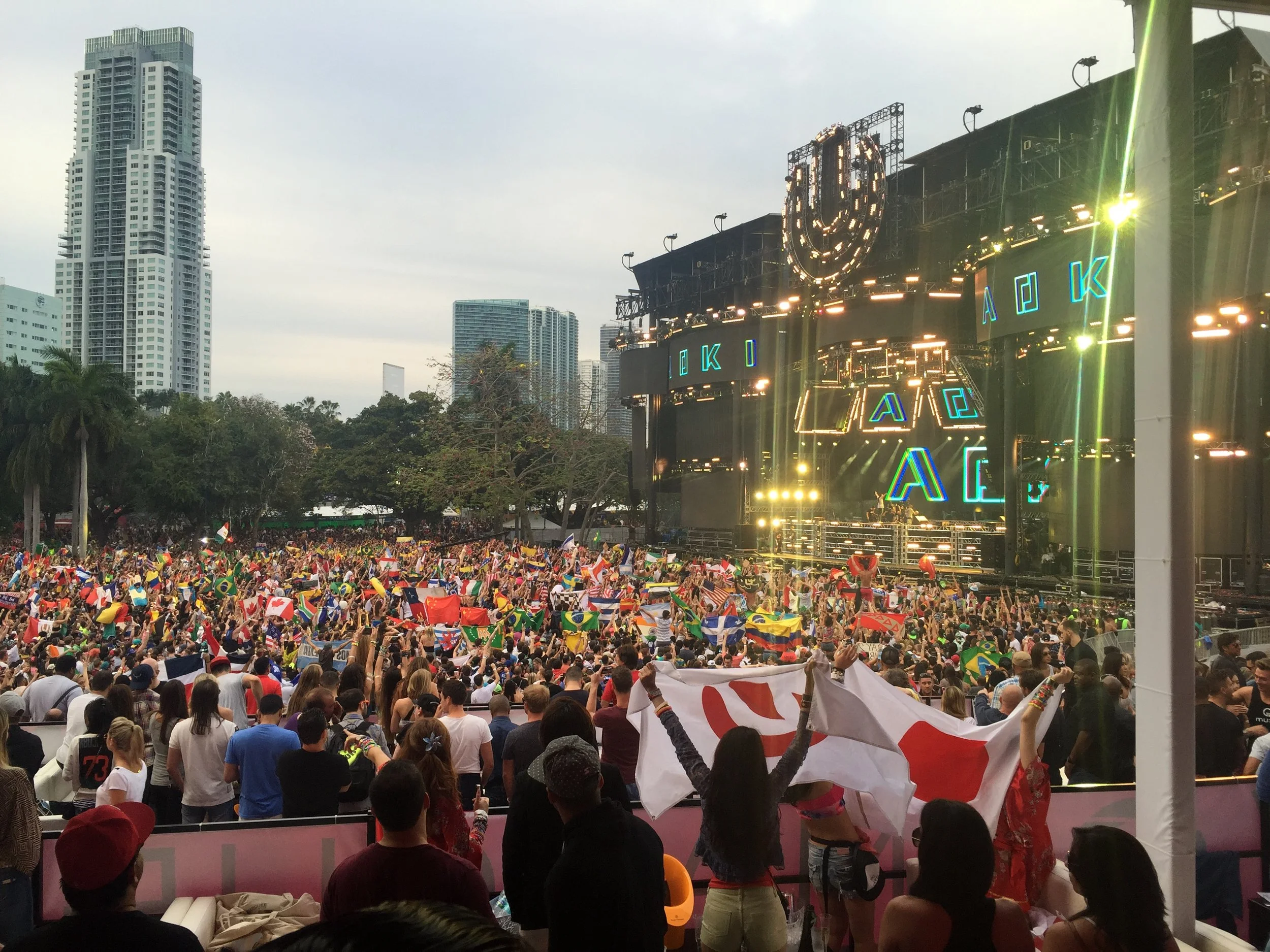
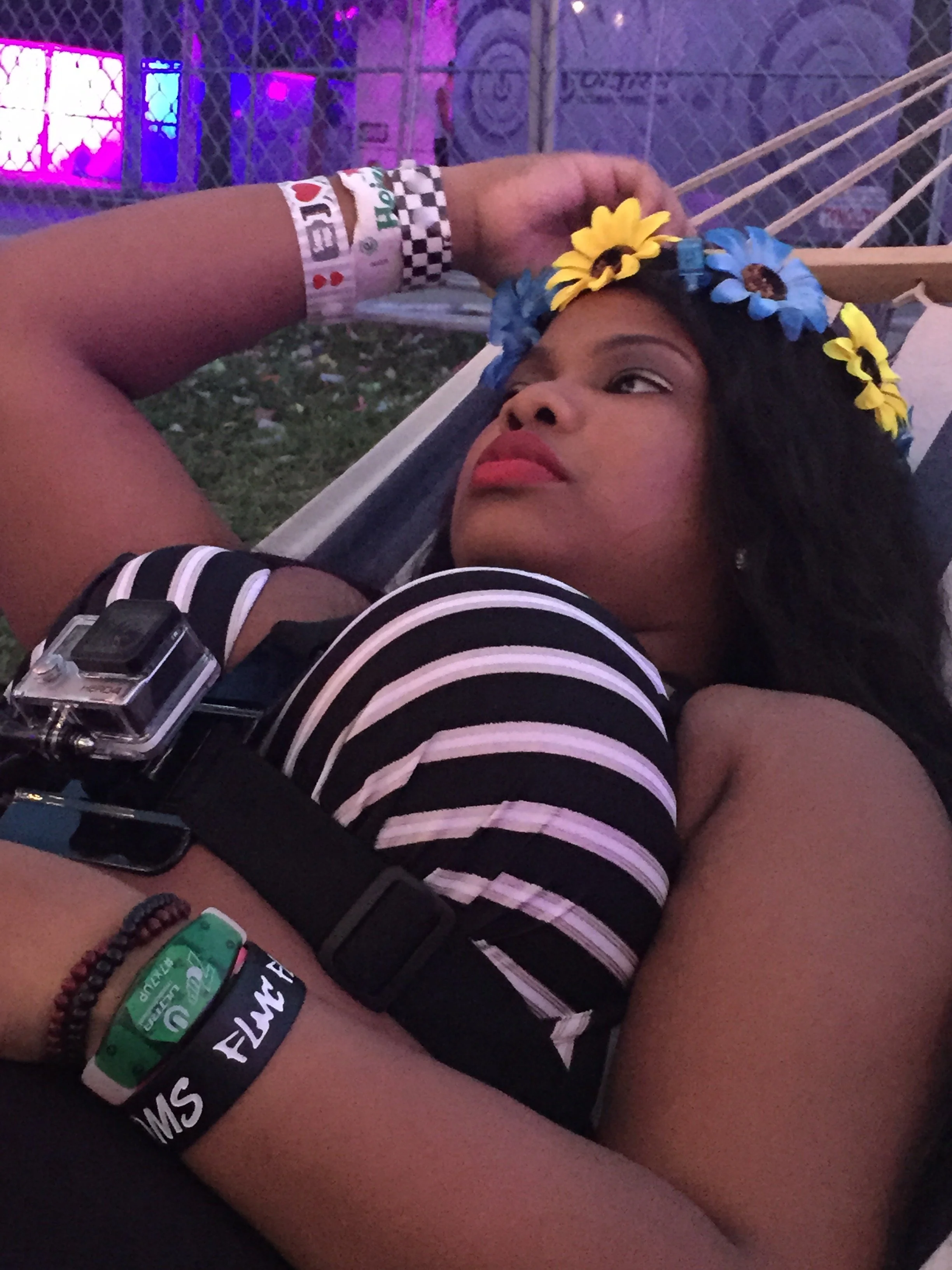
EDM Wasn't as Far From Soca as It Seemed
On paper, Soca and electronic dance music could look like completely different worlds.
On the ground, the similarities were harder to ignore.
Both cultures were built around movement, repetition, rhythm, bass, release and collective energy. Both could turn enormous crowds into one moving body. Both relied on DJs understanding exactly when to build tension and when to let a crowd explode.
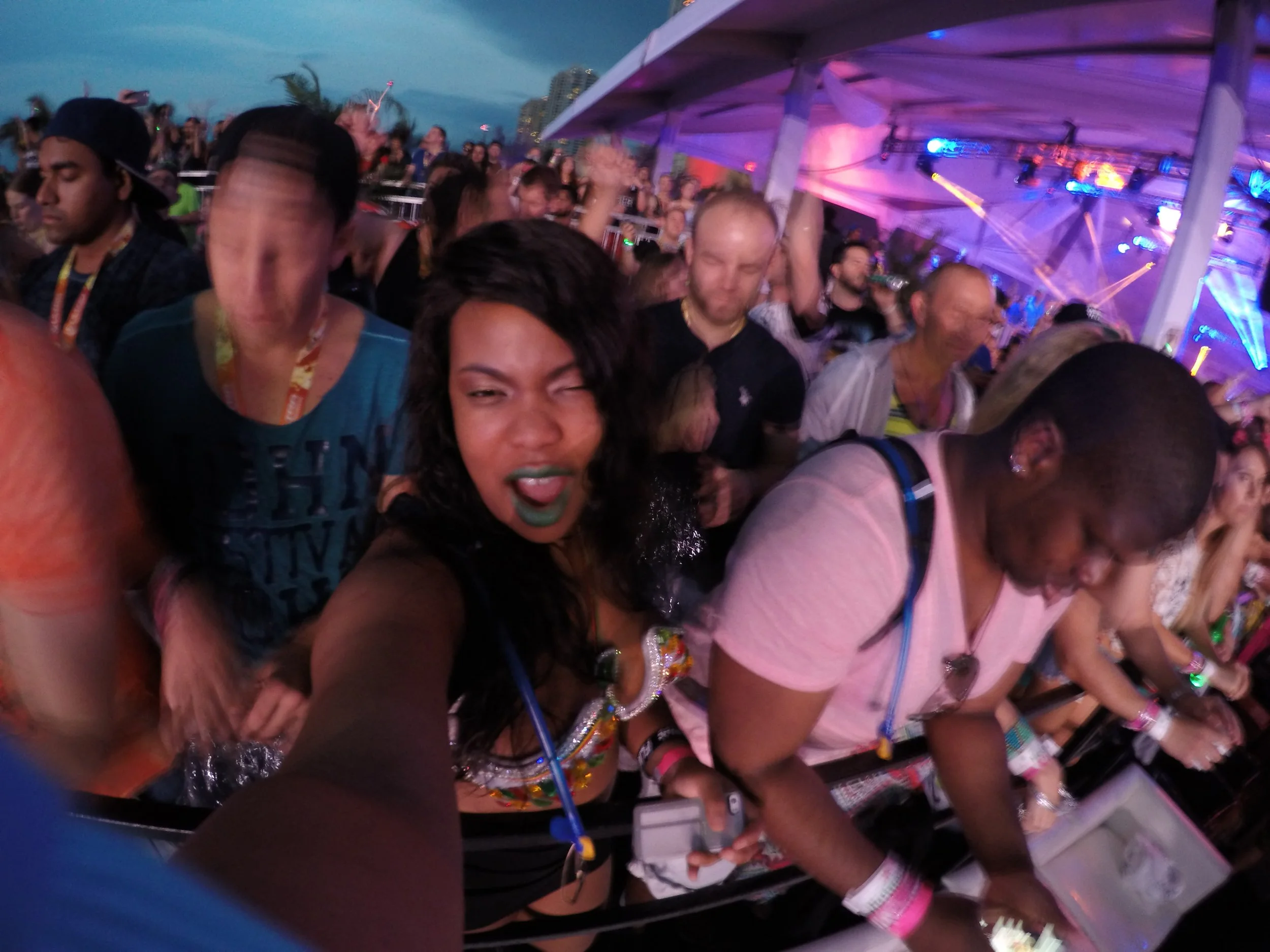
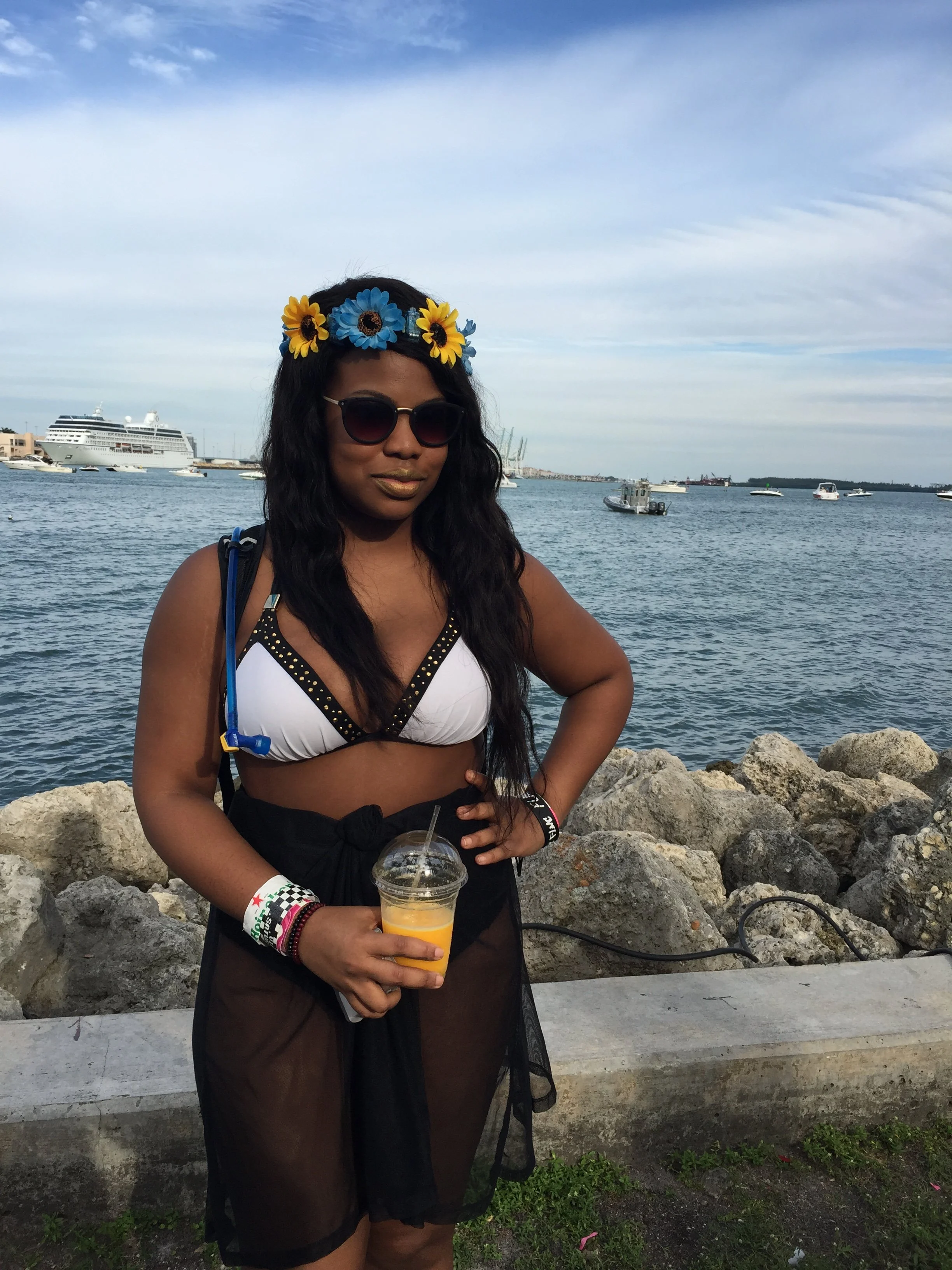
Even the festival behavior felt familiar: flags in the air, people traveling internationally for music, elaborate outfits, strangers becoming temporary friends and thousands of people responding to the same beat at once.
For Julian and Vivaa, Ultra offered a different version of something they already understood through Carnival.
The production was different. The musical structures were different. The culture had its own language.
But the instinct behind it—music making people move together—was recognizable.
Soca and EDM Were Already Crossing Borders
The timing of that first Ultra trip made the experience even more significant.
By 2015, the wall between Caribbean music and global electronic music was already becoming increasingly porous.
Just one month before Ultra, Skrillex and Diplo's Jack Ü project released “Jungle Bae” featuring Trinidad and Tobago's Bunji Garlin and MX Prime.
Skrillex had already collaborated with Damian “Jr. Gong” Marley on 2012's “Make It Bun Dem,” another example of an electronic producer drawing directly from Caribbean music and vocal culture.
And Soca itself was moving in the opposite direction.
In January 2015, Machel Montano joined Major Lazer and Ariana Grande for the remix of “All My Love.” Machel's own release announcement explicitly described the collaboration as another step in the developing hybrid between Soca and EDM.
Weeks later, Machel Montano, Sean Paul and Major Lazer combined Soca, Dancehall and electronic production on “One Wine.”
These were not isolated experiments anymore.
DJs including Diplo, Skrillex, Afrojack and others were increasingly pulling Caribbean rhythms, vocals and records into electronic sets, while Caribbean artists were experimenting with electronic production on their own releases.
So when Julianspromos walked into Ultra in 2015, it was not really leaving Soca behind.
It was discovering another part of the musical conversation Soca was already joining.
The Intro That Never Made the Cut
Not every piece of the weekend became polished coverage.
Among the material from the trip is an unused intro and blooper footage with Vivaa, offering a much more human look at what covering a completely new environment actually felt like.
Before social media evolved into the polished, constantly produced content machine it would later become, event coverage often involved figuring things out in real time: finding the right location, getting an intro right, approaching strangers for interviews and trying to tell a story while thousands of people moved around you.
A Festival Experience That Didn't End in Miami
The lasting importance of Ultra 2015 was not simply that Julianspromos covered another large festival.
It expanded what Julian and Vivaa believed belonged within their own world of music and travel.
Caribbean culture remained the foundation, but Ultra helped open the door to experiencing electronic music festivals as fans, travelers and people interested in music cultures beyond the ones they had grown up around.
What began as a trip to Miami became part of a much longer personal journey.
In the years that followed, Julian and Vivaa continued traveling internationally and experiencing EDM festivals in different parts of the world, sometimes behind the scenes, sometimes in the crowd and sometimes simply as music lovers.
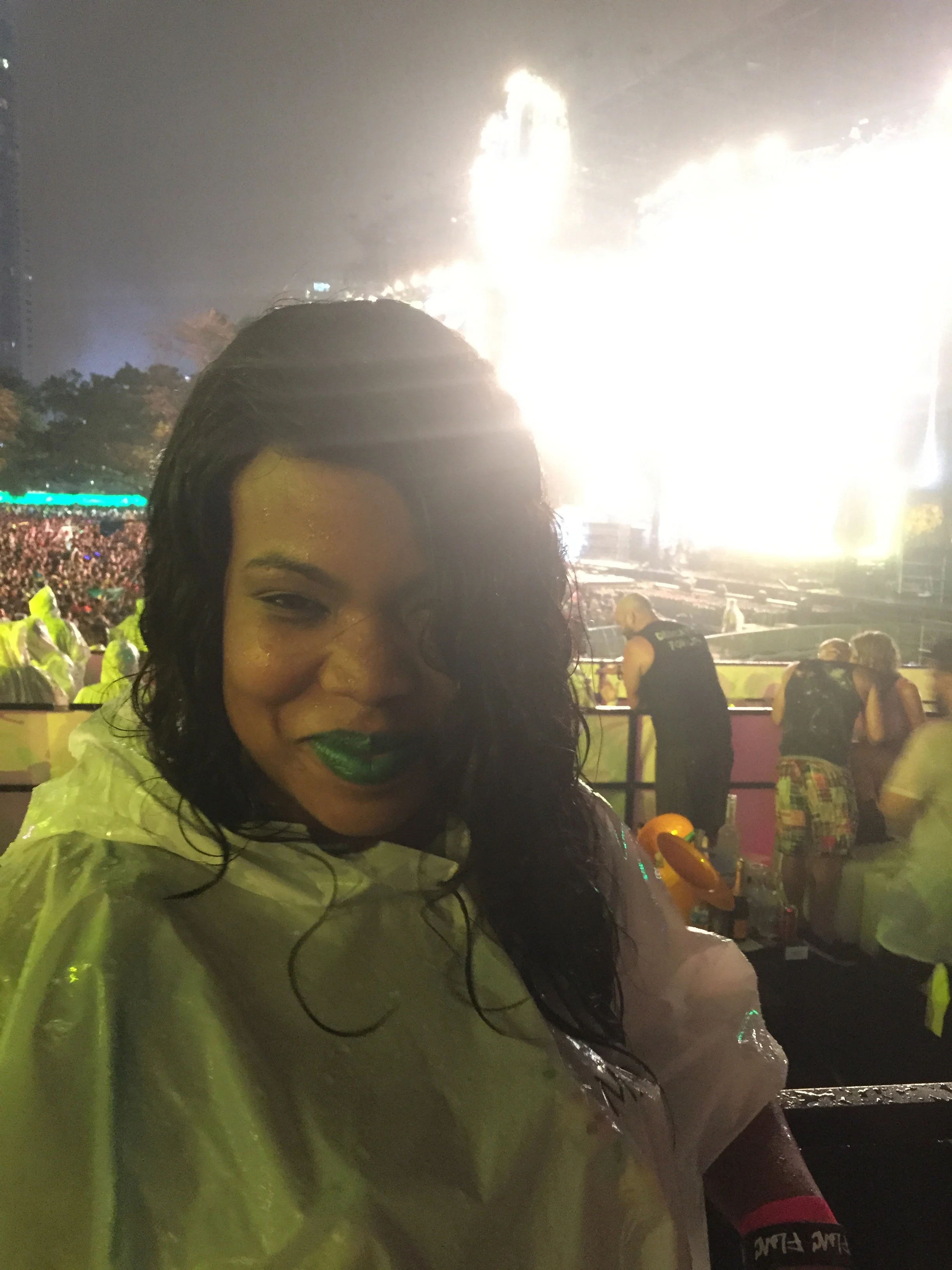
That makes the 2015 photographs especially meaningful now.
They capture two people standing near the beginning of an experience whose significance they could not yet fully know.
From the Julianspromos Archives
Ultra Music Festival Miami 2015 marked Julianspromos' first major step into electronic festival culture.
Julian C. Hackett and Sheniele “Vivaa” Dodson traveled to Miami during Miami Music Week to document the experience inside and outside Ultra Music Festival, with Vivaa conducting attendee interviews and appearing on camera with the Julianspromos microphone.
The archive includes event photographs, crowd and stage imagery, attendee interviews and an unused intro/blooper sequence from the weekend.
Ultra took place at Bayfront Park from March 27–29, 2015, bringing more than 165,000 attendees to Downtown Miami for the festival's seventeenth edition.
For Julianspromos, however, its importance went beyond attendance numbers.
It was the weekend the archive began to widen, from documenting Caribbean culture to becoming more curious about how Caribbean music connected with a much larger global festival world.
Coverage: Julian C. Hackett and Sheniele “Vivaa” Dodson
On-camera host / attendee interviews: Sheniele “Vivaa” Dodson